
Electric vehicles (EVs) are reshaping the automotive industry, with global demand for cleaner transportation driving rapid advancements in battery technology.
At the heart of every EV is a lithium-ion battery that must deliver high energy density, long service life, fast charging capabilities, and uncompromising safety.
Achieving these standards requires far more than advanced materials and precision engineering, it depends on highly controlled manufacturing environments.
This is where EV battery manufacturing cleanrooms play a vital role.
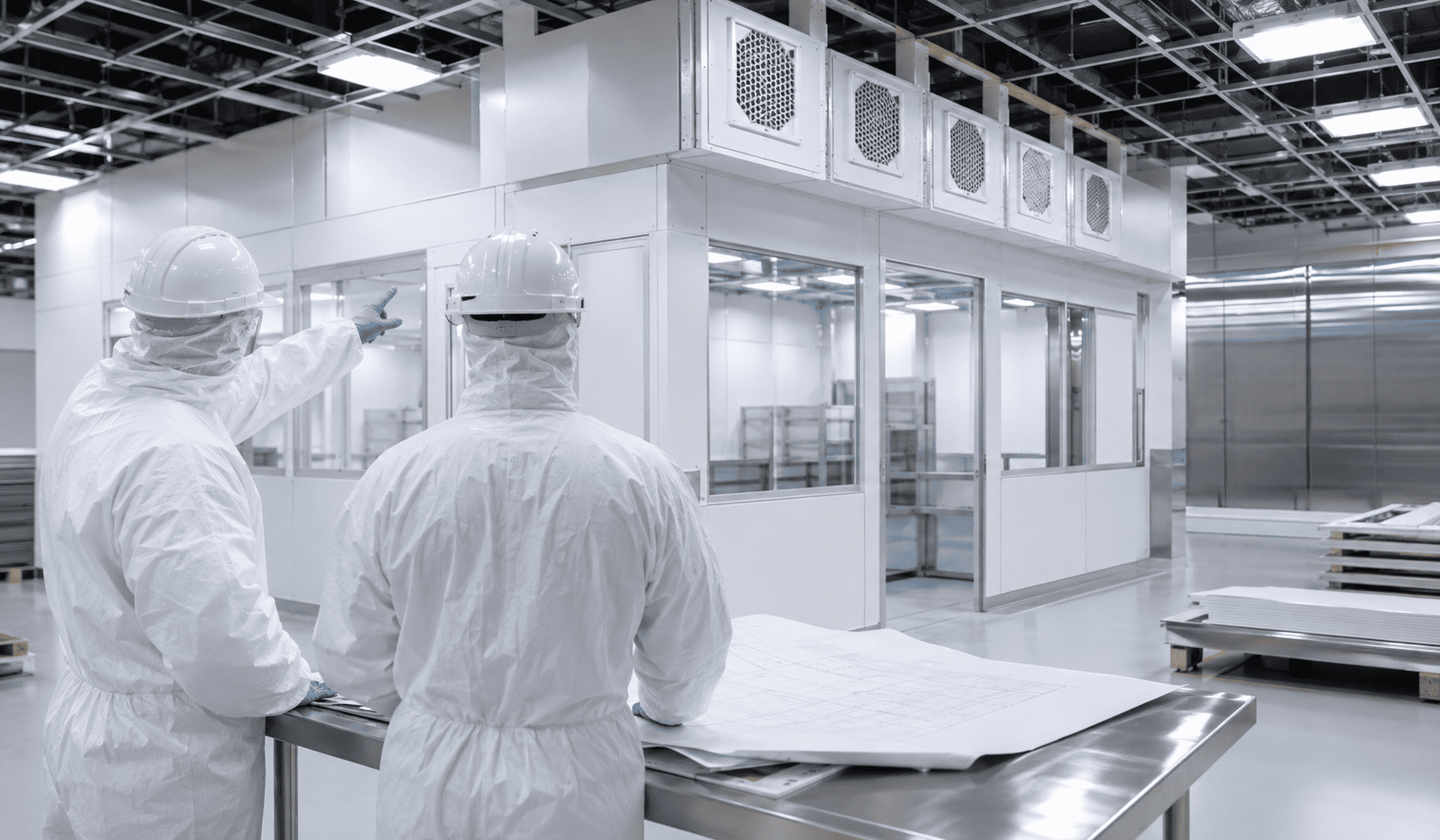
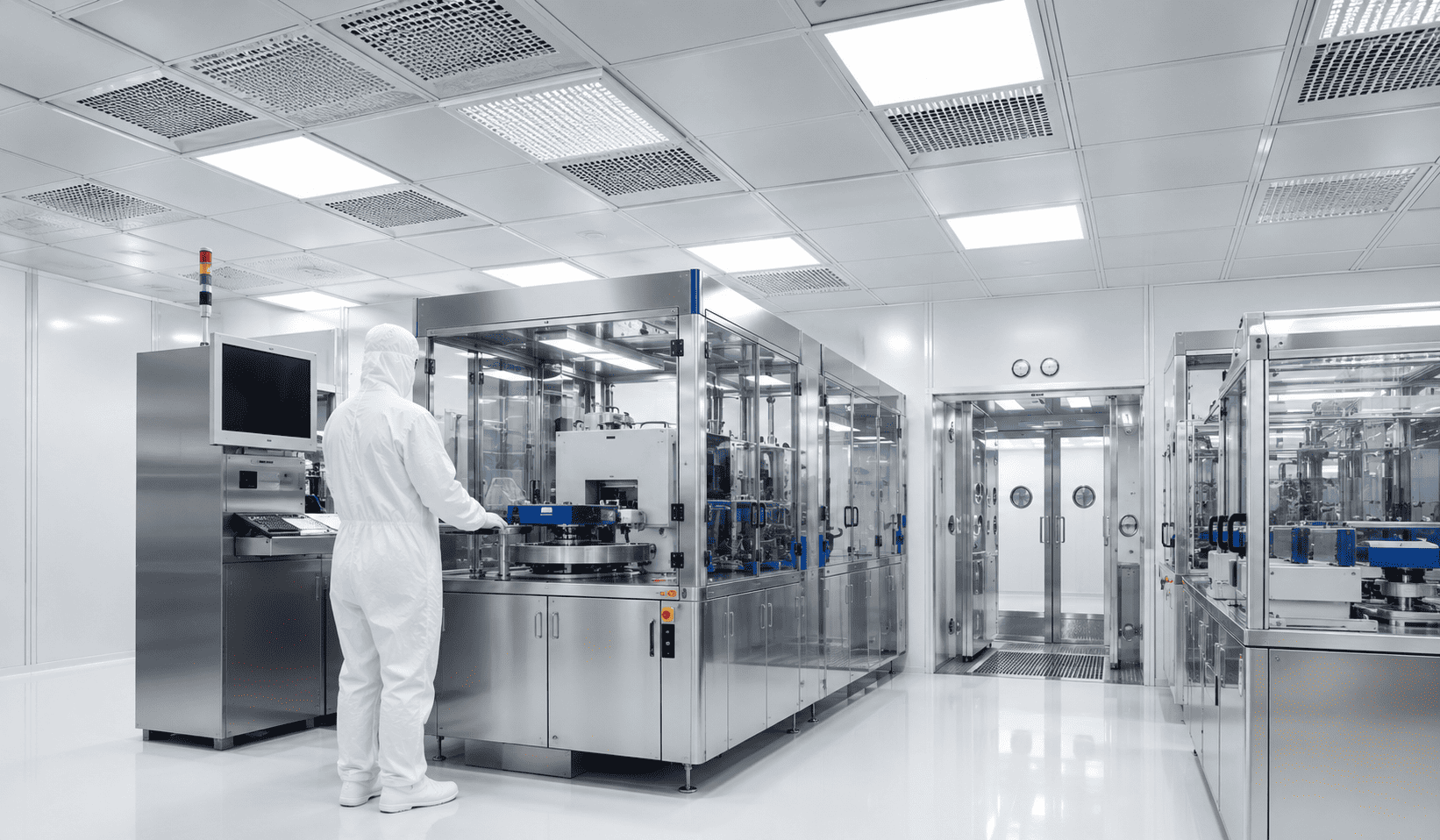
These specialized facilities are designed to minimize airborne particles, regulate temperature and humidity, and prevent contamination throughout the battery manufacturing process.
Even microscopic dust particles or trace amounts of moisture can compromise battery chemistry, reduce performance, or lead to costly defects.
As battery production scales to support the growing EV market, manufacturers are investing in sophisticated cleanrooms for EV battery manufacturing and ultra-low-humidity dry rooms to ensure consistent quality and compliance with strict industry standards.
These controlled environments not only improve manufacturing efficiency but also contribute to safer, longer-lasting batteries.
This article explores why EV battery manufacturing cleanrooms are essential, how they support every stage of production, and the key environmental controls that help manufacturers produce reliable lithium-ion batteries for the next generation of electric vehicles.
What Are EV Battery Manufacturing Cleanrooms?
An EV battery manufacturing cleanroom is a controlled environment designed to limit airborne contaminants while maintaining precise temperature, humidity, and air pressure.
As compared to conventional production facilities, cleanrooms use advanced filtration systems and environmental controls to create conditions suitable for manufacturing highly sensitive lithium-ion battery components.
The cleanliness of these environments is measured according to ISO standards, which classify cleanrooms based on the concentration of airborne particles.
Different stages of EV battery production require varying cleanliness levels, depending on the sensitivity of the materials and processes involved.
In addition to controlling particulate contamination, battery manufacturing cleanrooms often work alongside dry rooms, where moisture levels are kept exceptionally low.
This combination protects sensitive battery materials from contamination and unwanted chemical reactions that could reduce product quality or create safety risks.
Why Cleanrooms Are Essential for EV Battery Manufacturing

Modern lithium-ion batteries consist of multiple precision-engineered layers and chemically active materials.
During production, even a tiny contaminant can interfere with battery chemistry or damage internal structures, affecting both performance and safety.
By maintaining strict contamination control, battery manufacturing cleanrooms help manufacturers produce batteries that meet demanding automotive quality standards while reducing waste and improving production efficiency.
Preventing Particle Contamination
Dust, fibers, metal shavings, and other microscopic particles may seem insignificant, but they can create major problems inside a battery cell.
If contaminants become trapped during assembly, they may damage separators, interfere with electrode coatings, or create unintended electrical pathways.
Potential consequences include:
- Internal short circuits
- Reduced energy capacity
- Lower charging efficiency
- Premature battery degradation
- Increased product rejection rates
Advanced air filtration systems continuously remove airborne particles before they reach critical manufacturing areas, helping maintain a stable production environment.
Protecting Lithium-Ion Battery Chemistry
The chemical components inside lithium-ion batteries are highly reactive.
Exposure to contaminants or excessive moisture during production can alter chemical reactions, reducing battery performance and lifespan.
Maintaining contamination-free conditions helps preserve the integrity of cathodes, anodes, separators, and electrolytes throughout the manufacturing process.
As a result, manufacturers can achieve greater consistency across battery cells while minimizing quality issues.
Improving Product Consistency
Automotive manufacturers require every battery pack to perform consistently under demanding operating conditions.
Variations between battery cells can affect vehicle range, charging performance, and overall reliability.
A well-designed lithium-ion battery manufacturing cleanroom helps standardize production conditions, allowing manufacturers to produce battery cells with consistent electrical characteristics and improved long-term performance.
Enhancing Battery Safety
Safety remains one of the highest priorities in EV battery production.
Contamination introduced during manufacturing can contribute to internal defects that increase the risk of overheating or thermal runaway.
By reducing contamination at every production stage, cleanrooms help lower the likelihood of manufacturing-related failures while supporting safer battery operation throughout the product’s lifecycle.
The Role of Dry Rooms in EV Battery Manufacturing
Although cleanrooms remove airborne contaminants, they are only part of the solution.
Many critical battery manufacturing processes also require dry rooms that maintain extremely low humidity levels.
Lithium-ion battery materials are highly sensitive to moisture.
Even small amounts of water vapor can react with electrolyte materials, leading to chemical degradation and reduced battery performance.
For this reason, manufacturers use dry rooms to protect moisture-sensitive materials during key production stages.
Why Moisture Control Matters
Excess humidity can lead to several manufacturing challenges, including:
- Reduced electrolyte stability
- Lower battery capacity
- Increased internal resistance
- Shortened battery lifespan
- Higher defect rates
- Safety concerns during battery operation
Maintaining ultra-low humidity helps preserve battery chemistry while improving manufacturing consistency.
Ultra-Low Dew Point Environments
Battery manufacturers often operate dry rooms at dew points of −40°C or lower, depending on the specific production requirements.
These conditions significantly reduce moisture levels in the air, preventing unwanted chemical reactions during battery assembly.
Achieving these environments requires specialized dehumidification systems integrated with cleanroom HVAC infrastructure.
Production Stages That Require Dry Rooms
Dry rooms are particularly important during:
- Electrode drying
- Cell assembly
- Electrolyte filling
- Cell sealing
- Initial battery formation
Combining EV battery cleanrooms for manufacturing with dry room technology ensures both contamination control and moisture management throughout production.
Key Cleanroom Requirements for EV Battery Production
Producing high-quality lithium-ion batteries requires more than clean air.
Every aspect of the manufacturing environment must be carefully controlled to support precision production and minimize contamination risks.
High-Efficiency Air Filtration
Air filtration forms the foundation of every battery manufacturing cleanroom.
High-Efficiency Particulate Air (HEPA) and Ultra-Low Penetration Air (ULPA) filters remove microscopic airborne particles before they enter critical manufacturing zones.
Continuous air circulation ensures contaminants are captured quickly, maintaining stable cleanliness levels throughout production.
Precise Humidity Control
Humidity control is among the most critical environmental requirements in EV battery production.
Advanced dehumidification systems continuously regulate moisture levels to protect sensitive lithium-ion battery materials.
Maintaining stable humidity prevents unwanted chemical reactions that can compromise battery performance or reduce production yields.
Stable Temperature Conditions
Temperature fluctuations can affect material behavior, coating consistency, and manufacturing precision.
Modern cleanrooms maintain tightly controlled temperature ranges to ensure predictable production conditions and consistent battery quality.
Air Pressure Management
Positive air pressure prevents contaminated outside air from entering clean production areas.
Whenever personnel or materials move between rooms, controlled airflow helps maintain contamination-free environments and protects sensitive manufacturing processes.
Electrostatic Discharge (ESD) Protection
Static electricity poses a significant risk to delicate battery components.
To minimize electrostatic discharge, manufacturers implement:
- Conductive flooring
- Grounded workstations
- Anti-static clothing
- ESD-safe equipment
- Personnel grounding systems
These measures protect sensitive components throughout the manufacturing process.
Continuous Environmental Monitoring
Modern EV battery manufacturing cleanrooms rely on automated monitoring systems that continuously measure:
- Airborne particle counts
- Relative humidity
- Temperature
- Differential pressure
- Airflow performance
- Filter efficiency
Real-time monitoring enables manufacturers to detect environmental changes immediately and take corrective action before product quality is affected.
Conclusion
As electric vehicle adoption continues to accelerate, the demand for safe, efficient, and high-performing batteries is higher than ever.
Meeting these expectations requires more than advanced materials and automated production lines, it depends on maintaining precise manufacturing environments.
EV battery manufacturing cleanrooms provide the contamination control, humidity management, and environmental stability needed to protect sensitive lithium-ion battery components throughout the production process.
From electrode preparation and cell assembly to electrolyte filling and final testing, cleanrooms and dry rooms help manufacturers minimize defects, improve production yields, and ensure consistent battery quality.
By reducing the risks associated with airborne particles, moisture, and electrostatic discharge, these controlled environments contribute directly to battery safety, longevity, and overall performance.
As battery technologies continue to evolve and EV production expands globally, investments in advanced cleanroom design, energy-efficient HVAC systems, automation, and real-time environmental monitoring will become even more critical.
For manufacturers aiming to produce reliable, high-quality batteries while meeting stringent industry standards, cleanrooms are not just a production requirement, they are a strategic advantage.
Frequently Asked Questions
What is the difference between a cleanroom and a dry room?
A cleanroom focuses on controlling airborne particles and maintaining cleanliness, while a dry room is specifically designed to maintain ultra-low humidity levels. In EV battery manufacturing, both environments work together to protect moisture-sensitive lithium-ion battery materials.
Which stages of EV battery manufacturing require cleanrooms?
Critical stages such as raw material handling, electrode coating, battery cell assembly, electrolyte filling, cell sealing, and battery testing require cleanrooms or dry rooms. Maintaining controlled conditions during these processes helps ensure consistent battery quality and reliable performance.
How does contamination affect lithium-ion battery production?
Contaminants such as dust, metal particles, fibers, or moisture can damage battery components, interfere with chemical reactions, and increase the risk of internal short circuits. This can result in lower battery capacity, reduced lifespan, safety concerns, and higher production waste.
Why is humidity control important in EV battery manufacturing?
Lithium-ion battery materials are highly sensitive to moisture. Excess humidity can react with electrolyte materials, leading to chemical degradation, reduced energy capacity, and manufacturing defects. Maintaining ultra-low humidity helps preserve battery chemistry and improve product reliability.
What cleanroom standards are commonly used for EV battery manufacturing?
Most battery manufacturing facilities operate under ISO Class 5 to ISO Class 8 cleanroom standards, depending on the sensitivity of each production stage. Different manufacturing zones may require different cleanliness levels to balance quality, efficiency, and operational costs.
How do cleanrooms improve battery safety?
By preventing contamination and maintaining stable environmental conditions, cleanrooms reduce the risk of manufacturing defects that can contribute to internal short circuits or thermal runaway. This helps manufacturers produce safer and more reliable lithium-ion batteries.
What role do HVAC systems play in battery manufacturing cleanrooms?
HVAC systems regulate airflow, temperature, humidity, and air pressure while supporting HEPA or ULPA filtration. These systems maintain the controlled environment required for contamination-free battery manufacturing and consistent production quality.
Can automation improve contamination control in EV battery manufacturing?
Yes, automation reduces human interaction with sensitive battery materials, lowering the risk of contamination. Robotic systems and automated material handling also improve manufacturing precision, efficiency, and consistency.
What are the future trends in EV battery manufacturing cleanrooms?
Future trends include AI-powered environmental monitoring, smart automation, digital twin technology, energy-efficient HVAC systems, and sustainable cleanroom designs. These innovations help manufacturers improve production efficiency, reduce energy consumption, and maintain the high-quality standards required for next-generation EV batteries.