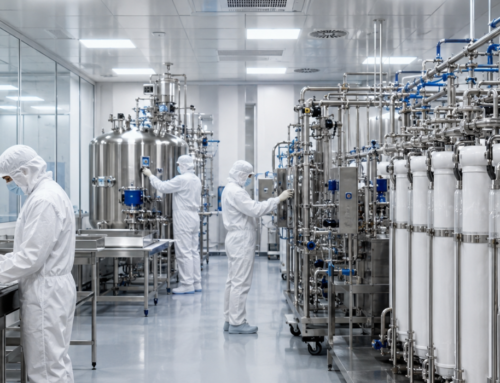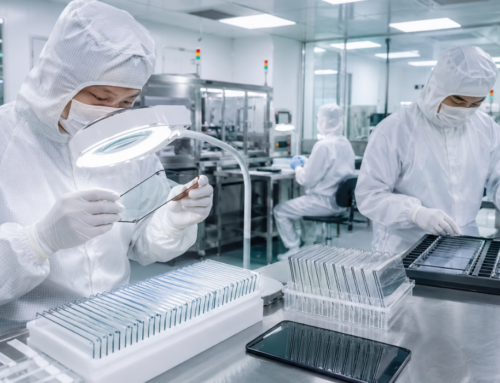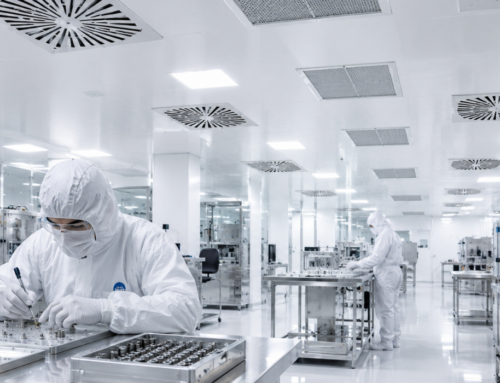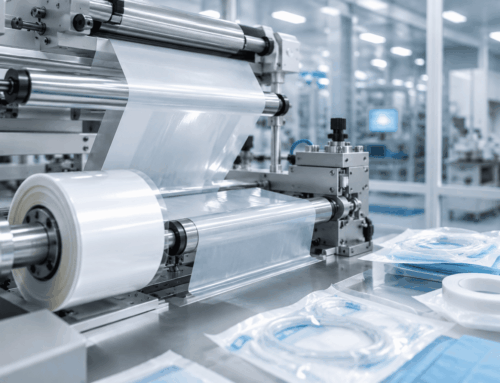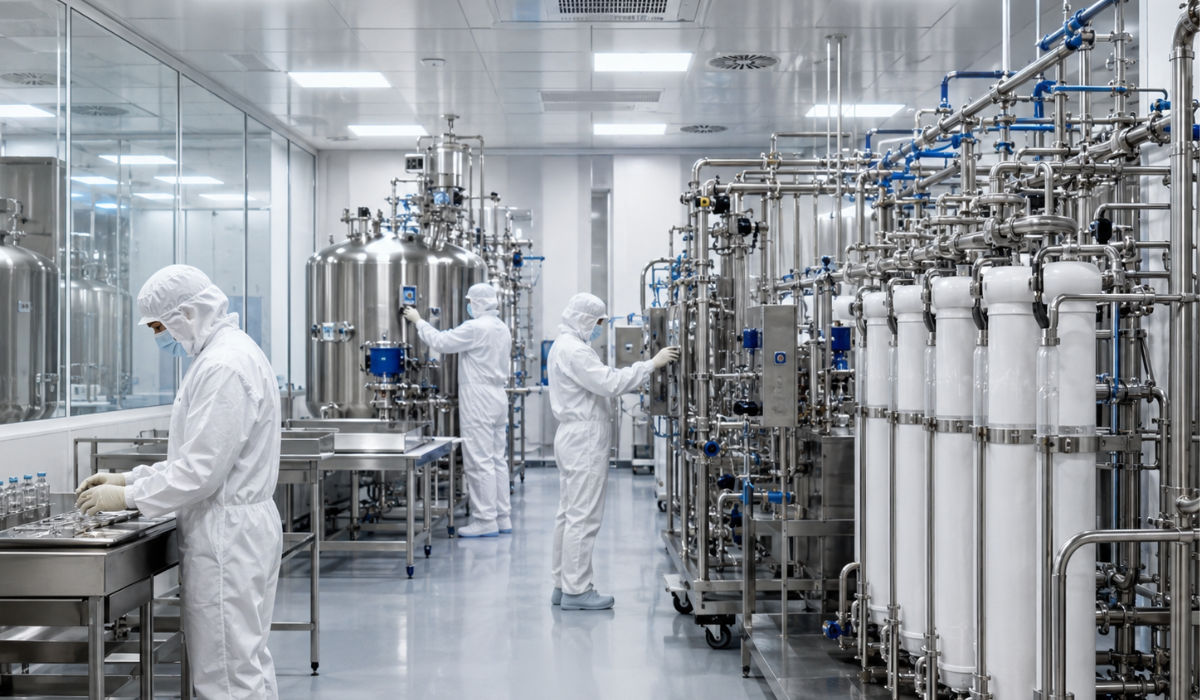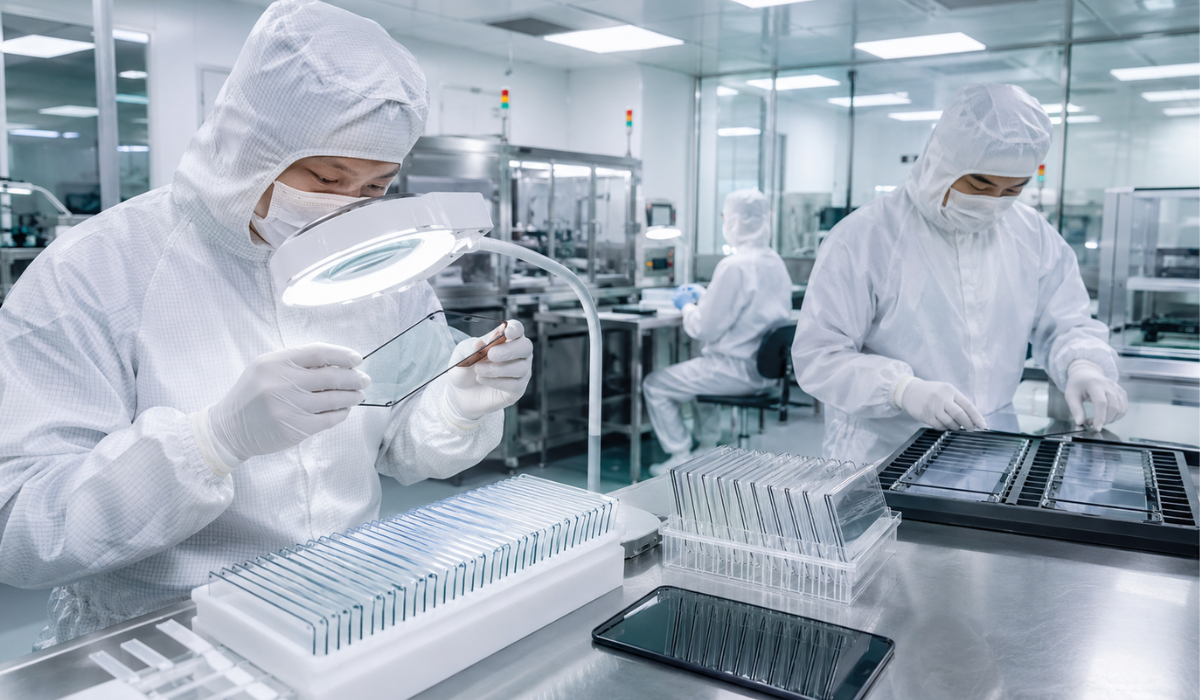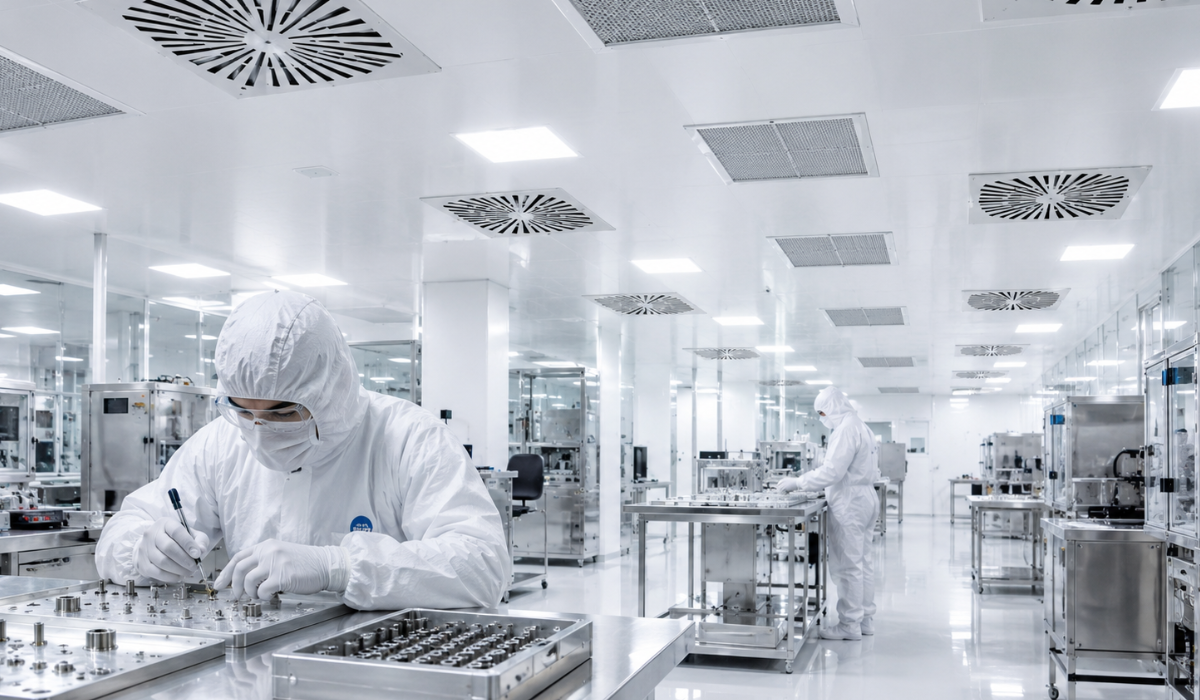
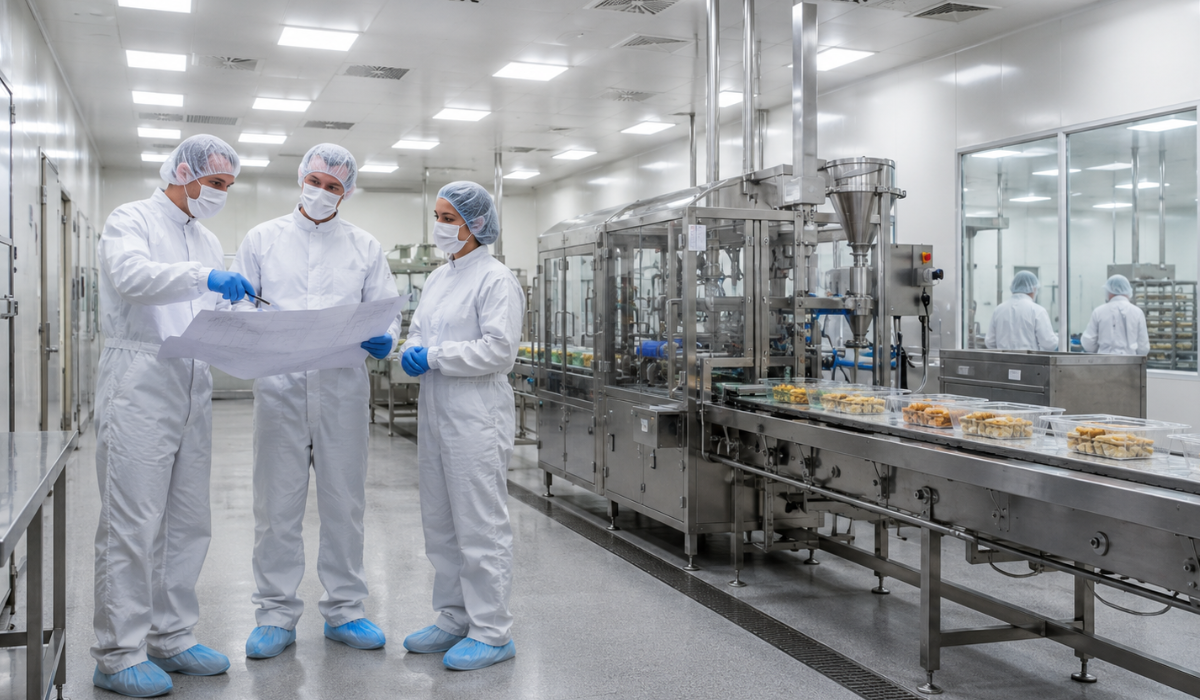
Hiring a professional cleanroom builder for food production helps ensure your controlled environment is designed for contamination control, cleanability, airflow, pressure management, and long-term production performance.
Food cleanrooms require more than standard construction.
They need coordinated design, proper materials, cleanroom HVAC planning, sealed surfaces, and layouts that support safe product movement.
Food production facilities must manage many sources of contamination.
Airborne particles, moisture, people, equipment, packaging, ingredients, and traffic between rooms can all affect product quality.
For sensitive food manufacturing, packaging, or processing areas, a cleanroom can help create a more controlled environment around exposed products.
However, the quality of a food cleanroom depends heavily on who designs and builds it.
A professional cleanroom builder understands that a cleanroom is not just a room with smooth walls and filtered air.
It is a completely controlled environment where layout, airflow, pressure, temperature, humidity, materials, sanitation, and maintenance access must work together.
This is why food manufacturers should be careful when choosing a cleanroom partner.
The right builder can help reduce contamination risks, improve daily cleaning, support compliance goals, and prevent costly changes after construction.
The wrong contractor may build a space that looks clean but creates hidden problems once production begins.
Why Food Production Facilities Need Cleanrooms
Food production facilities often use cleanrooms when products are exposed to the surrounding environment during processing, filling, cooling, packaging, or inspection.
This is common in areas handling ready-to-eat foods, dairy products, beverages, bakery items, powders, supplements, ingredients, frozen foods, and high-care packaging.
A food cleanroom helps reduce the movement of airborne contaminants into sensitive production zones. It can also help separate clean and less-clean activities, control personnel flow, and create more predictable production conditions.
For example, a packaging area for ready-to-eat products may need cleaner air after cooking or processing because the product will not go through another kill step.
A dry ingredient facility may need better control of dust and humidity. A beverage or dairy operation may need environmental control around filling lines.
In each case, the cleanroom should be designed around the actual process, not a generic template.
What a Professional Cleanroom Builder Does
A professional cleanroom builder helps translate food safety, production, and quality requirements into a working controlled environment.
This includes understanding the product, the process, the cleanliness goals, the sanitation routine, and the way people and materials move through the facility.
The builder’s role usually includes planning the cleanroom layout, selecting suitable materials, coordinating HVAC and filtration, supporting pressure control, and making sure the room can be cleaned and maintained properly.
A strong builder also thinks beyond the installation stage.
They consider how the cleanroom will perform after months or years of production, cleaning, inspections, and equipment changes.
A reliable cleanroom company does more than sell panels or install ceilings. It helps connect design decisions to real operating needs.
For food production, that means reducing unnecessary ledges, sealing penetrations correctly, choosing surfaces that can handle sanitation, and planning a layout that limits cross-contamination risk.
Why Standard Construction Is Not Enough
Standard construction is not designed for the same performance demands as a cleanroom.
A normal production room may be durable and functional, but it may still contain cracks, gaps, rough transitions, exposed joints, or hard-to-clean areas.
In food production, those small details can become sanitation problems.
Food cleanrooms need smooth, durable, non-shedding, and cleanable surfaces.
Wall panels, ceilings, doors, windows, flooring, and utility penetrations should be selected and installed to reduce places where moisture, residue, dust, or microbes can collect.
Construction details should also support frequent cleaning without breaking down over time.
Standard contractors may not fully understand how airflow, sealing, pressure, drainage, and sanitation work together.
Experienced cleanroom installers know that even a small gap around a door, ceiling panel, pipe, or utility line can affect cleanability and room performance.
That attention to detail is one of the biggest reasons to hire specialists instead of treating the project like a normal buildout.
How a Cleanroom Builder Supports Contamination Control
Contamination control is the main reason food production facilities invest in cleanrooms.
A professional cleanroom builder supports this goal by designing the room around risk points in the production process.
The first step is understanding where the product is most vulnerable.
This may be an open filling line, a cooling area, a packaging station, a weighing room, or a transfer point where ingredients are exposed.
Once these areas are identified, the cleanroom can be designed to protect them through proper airflow, room zoning, filtration, and traffic control.
A cleanroom builder also helps plan the movement of people and materials. Workers are one of the biggest contamination sources in any controlled environment.
Packaging, tools, carts, and raw materials can also bring particles into the room. A good layout reduces unnecessary movement and helps keep clean and less-clean activities separated.
Air control is also important. A cleanroom may need positive pressure to help keep less-clean air from entering a sensitive area.
In other cases, exhaust or containment may be needed for powders, odors, or process byproducts.
The pressure strategy should always be based on the food product, process risk, and facility layout.
Key Design Areas That Must Be Planned Correctly
A food cleanroom must be planned as a complete system.
The room layout should match the production flow so workers, ingredients, packaging, and finished products move logically through the space.
When clean and less-clean paths cross, contamination risk increases.
HVAC and filtration should be coordinated early. Filtered air must reach the right areas, and return air should be placed so contaminants are moved away from sensitive zones.
Temperature and humidity control should also be considered, especially for chilled foods, dry powders, moisture-sensitive ingredients, or products affected by condensation.
Material selection is another major factor. Food production cleanrooms often require smooth walls, sealed ceilings, cleanable flooring, durable doors, and details that resist moisture and cleaning chemicals.
If the wrong materials are used, the room may become harder to clean and more expensive to maintain.
A cleanroom manufacturer may supply panels, doors, ceilings, or modular components, but the success of the project depends on how those components are designed, installed, sealed, and coordinated with the full cleanroom system.
Why Choosing the Right Partner Matters
Not all cleanroom companies offer the same level of food production experience.
Some focus mainly on product supply, while others provide full design-build support.
Food manufacturers should look for a partner who understands both cleanroom construction and the daily realities of food production.
The right cleanroom builder should be able to explain how the design supports sanitation, airflow, pressure control, inspection access, and future maintenance.
They should also understand how production equipment, washdown needs, personnel movement, and material transfer affect the final design.
It is also important to compare experience between cleanroom manufacturers. Some may offer high-quality components but limited installation support.
Others may provide a more complete solution that includes layout planning, coordination, installation, and performance support.
For food facilities, the best choice is usually a partner who can manage the cleanroom as a complete environment, not just a set of parts.
Among cleanroom manufacturing companies, the strongest partner is one that can connect technical cleanroom requirements with practical production needs.
That is what helps prevent expensive mistakes after the room is already built.
Risks of Hiring the Wrong Contractor
Hiring the wrong contractor can create problems that are difficult to fix later.
A cleanroom may look finished but still fail to support the production process. Poor sealing, weak airflow, incorrect pressure relationships, hard-to-clean surfaces, and poor drainage details can all create long-term issues.
These problems may lead to contamination events, failed inspections, production delays, higher cleaning time, product waste, or expensive retrofits.
In some cases, the facility may need to stop production to correct construction or HVAC problems.
A professional cleanroom contractor helps reduce these risks by planning details before construction begins.
This is especially important in food production because production downtime can be costly and quality problems can affect customer trust.
What to Ask Before Hiring a Cleanroom Builder
Before hiring a cleanroom builder, food manufacturers should ask questions that reveal how the company thinks about performance, not just construction cost.
Ask whether the builder has experience with food production cleanrooms, packaging areas, or controlled processing environments.
Ask how they plan airflow, filtration, pressure, temperature, humidity, and cleanable surfaces.
It is also helpful to ask how they handle doors, pass-throughs, utilities, drains, ceiling systems, and maintenance access.
The builder should be able to explain how their design reduces contamination risk and supports daily cleaning.
They should also be able to discuss future flexibility, because many food production facilities change equipment, products, or production volume over time.
A low-cost proposal may seem attractive at first, but if it does not account for cleanroom performance, sanitation, and long-term maintenance, it may become more expensive later.
Build Your Food Production Cleanroom With UltraPure Technology
UltraPure Technology helps food production and sensitive manufacturing teams design and build cleanroom environments that support contamination control, cleanability, airflow, and long-term performance.
A food cleanroom must work in real production conditions. It must support sanitation, equipment, people, product movement, inspection needs, and future maintenance.
UltraPure Technology focuses on building cleanrooms that are planned around these practical requirements from the start.
If your facility is planning a new cleanroom, upgrading a controlled production space, or improving contamination control in a food packaging or processing area, UltraPure Technology can help you build a cleaner, more reliable environment.
Conclusion
A professional cleanroom builder helps food production facilities create controlled environments that support product safety, quality, and contamination control.
Food cleanrooms require specialized planning around layout, airflow, pressure, filtration, materials, sanitation, and long-term maintenance.
Standard construction is not enough for sensitive food production areas because small gaps, poor material choices, and weak airflow design can create contamination risks.
The right cleanroom partner should understand both technical cleanroom requirements and the daily needs of food production.
FAQs
What does a cleanroom builder do for food production?
A cleanroom builder designs and constructs controlled environments for food production, processing, or packaging. Their role includes planning the layout, cleanroom materials, airflow, filtration, HVAC coordination, pressure control, and cleanable construction details needed to reduce contamination risk.
Why should food manufacturers hire a professional cleanroom builder?
Food manufacturers should hire a professional cleanroom builder because food cleanrooms require specialized design and construction. A qualified builder understands how to coordinate airflow, pressure, sanitation, materials, equipment, and production flow so the cleanroom performs properly after installation.
How is a food cleanroom different from a normal production room?
A food cleanroom is designed to control airborne particles, pressure, airflow, temperature, humidity, and cleanability. A normal production room may be hygienic, but it usually does not provide the same level of controlled air movement or contamination control.
Are cleanrooms required for all food production facilities?
No, cleanrooms are not required for every food production facility. The need depends on the product, process, contamination risk, customer requirements, and quality goals. Facilities handling exposed ready-to-eat products, sensitive ingredients, or high-care packaging may benefit most from cleanroom environments.
What should I look for in a cleanroom company?
Look for a cleanroom company with experience in food production or controlled manufacturing environments. The company should understand cleanroom design, construction materials, HVAC coordination, pressure control, cleanability, and how the room will be used in daily production.