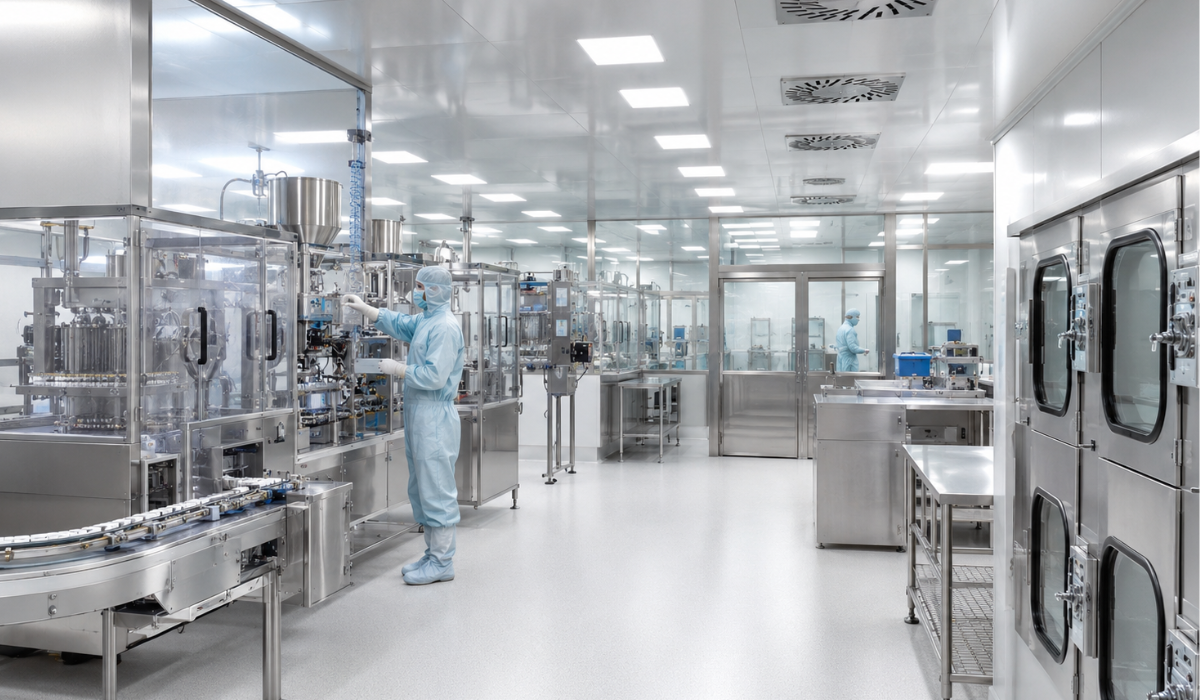
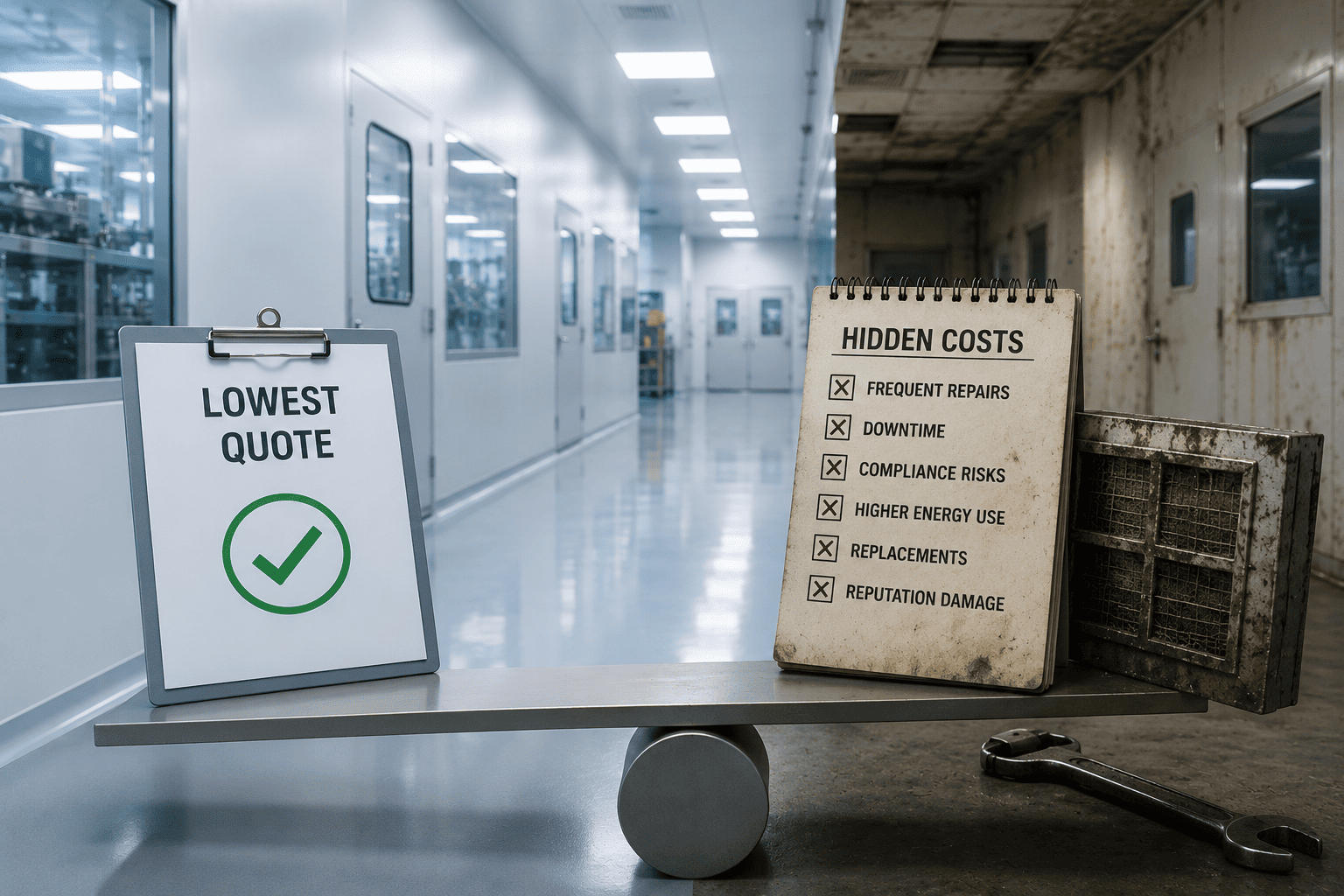
Choosing a cleanroom supplier based only on the lowest quote can seem like a practical way to control project costs, especially when a facility is comparing multiple bids for cleanroom construction, cleanroom installation, or a modular cleanroom project. However, the lowest number on a proposal does not always represent the true cost of the cleanroom. In many cases, a cheaper quote may leave out critical details, use lower-quality materials, underestimate HVAC requirements, or fail to account for testing, validation, documentation, and long-term maintenance.
A cleanroom is not just another construction project. It is a controlled environment that must support cleanliness, airflow, pressure control, temperature, humidity, workflow, equipment layout, and compliance expectations. If the original quote does not address these requirements clearly, the project may become more expensive after work begins. Change orders, failed testing, operational downtime, repair needs, and compliance issues can quickly turn a low-cost option into a high-cost problem.
For companies planning an ISO cleanroom, the real goal should not be finding the cheapest proposal. The goal should be selecting a cleanroom partner that understands the full project scope, long-term performance requirements, and operational risks.
Why Cleanroom Quotes Can Be Difficult to Compare
Cleanroom quotes often look similar on the surface, but they may cover very different levels of service. One company may provide a basic quote for wall panels and installation, while another may include design coordination, cleanroom HVAC planning, ceiling systems, doors, pass-throughs, flooring, lighting, filtration, pressure control, commissioning support, and documentation.
This makes it difficult for buyers to compare proposals fairly. A lower quote may not mean the company is more affordable. It may simply mean the quote is incomplete.
For example, one proposal may include cleanroom doors, seals, flooring, and utility coordination, while another may list those items as exclusions. One may account for ISO classification requirements, while another may assume general construction conditions. One may include support for testing and certification, while another stops at installation.
Before choosing a cleanroom supplier, decision-makers should ask what is included, what is excluded, and what assumptions were used to prepare the quote. Without this level of detail, the final project cost can be very different from the original estimate.
The Hidden Cost of an Incomplete Scope
One of the most common problems with a low cleanroom quote is an underdefined scope. A proposal may look attractive because it does not include several items that will eventually be required.
Common missing items may include HVAC coordination, electrical connections, cleanroom flooring, specialty doors, pass-through chambers, gowning areas, airlocks, monitoring systems, lighting, testing support, or final documentation. These items are not optional in many cleanroom environments. They directly affect performance, cleanliness, workflow, and compliance readiness.
When these requirements are discovered later, the project may need additional work, revised pricing, delayed scheduling, or multiple change orders. This can create frustration for procurement teams and facility managers because the quote that seemed less expensive at the beginning may no longer be the lowest-cost option.
A complete cleanroom design and construction proposal should clearly explain the project scope. It should define what systems, materials, labor, and support services are included. It should also clarify which responsibilities belong to the cleanroom company, the facility owner, or third-party contractors.
HVAC Shortcuts Can Create Long-Term Problems
HVAC is one of the most important cost drivers in cleanroom construction. It affects air changes, filtration, room pressure, temperature, humidity, contamination control, energy use, and comfort. If HVAC requirements are underestimated during the quoting stage, the cleanroom may struggle to perform as expected.
A low-cost quote may not fully account for airflow volume, HEPA filtration, return air pathways, pressure cascades, or thermal loads from equipment and personnel. These details matter because cleanroom performance depends on more than simply installing walls and ceilings.
If the HVAC system is undersized or poorly coordinated, the cleanroom may experience unstable pressure, poor temperature control, higher particle counts, excessive energy use, or difficulty meeting ISO cleanroom expectations. Correcting these issues after construction can be expensive because it may require ductwork modifications, additional filtration, system balancing, or equipment upgrades.
A stronger quote should consider HVAC early in the planning process. This helps reduce the risk of expensive corrections later and supports better long-term cleanroom performance.
Low-Quality Materials May Increase Maintenance Costs
A cheaper quote may also rely on lower-quality materials that are not ideal for controlled environments. Cleanroom materials must be durable, cleanable, and suitable for the facility’s process needs. Walls, ceilings, floors, doors, sealants, and transitions should be selected with cleaning protocols, traffic levels, impact risk, chemical exposure, and contamination control in mind.
When materials are chosen only to reduce upfront cost, problems can appear later. Wall panels may dent or degrade. Flooring may peel, crack, or become difficult to clean. Seals may fail. Doors may fall out of alignment. Gaps or rough transitions may collect dust. These issues can increase repair costs and may interfere with cleanroom operations.
In some environments, material problems can also affect inspections, audits, or internal quality expectations. A cleanroom that requires frequent repairs can become more expensive to operate than one built with better materials from the start.
The right cleanroom supplier should explain why specific materials are recommended and how they support the cleanroom’s intended use.
Installation Quality Affects Cleanroom Performance
Cleanroom installation is not the same as standard commercial construction. Small details can have a major impact on performance. Panel alignment, ceiling grid coordination, door seals, wall penetrations, utility openings, flooring transitions, and air leakage points all matter.
A low quote may come from a company that does not have the same level of cleanroom-specific installation experience. This can create problems that may not be obvious until testing, balancing, or daily use begins.
Poor installation can lead to air leaks, pressure instability, contamination pathways, uneven finishes, difficult-to-clean surfaces, and failed performance checks. These issues can delay occupancy, require rework, and increase project cost.
Experienced cleanroom installers understand that the finished room must support contamination control, not just look complete. This is especially important for medical device, pharmaceutical, biotechnology, laboratory, and manufacturing environments where cleanroom performance is tied to product quality.
Testing and Documentation Should Not Be an Afterthought
Another risk with the cheapest quote is that testing, certification support, and documentation may not be included. For many cleanrooms, final performance verification is essential. The facility may need particle testing, airflow testing, HEPA filter leak testing, pressure verification, temperature and humidity checks, and balancing support.
If the cleanroom does not meet expected performance requirements, the buyer may face additional costs to identify and correct the issue. This may involve adjusting HVAC systems, resealing penetrations, replacing components, or revising room conditions.
Documentation is also important. Facilities may need records of materials, equipment, drawings, testing, and closeout details for internal quality systems, audits, or future maintenance. If these items are not included in the original quote, they may become an unexpected expense later.
A complete quote should explain what level of testing support and documentation is included before the contract is signed.
Downtime Can Cost More Than the Quote Difference
The cost difference between two cleanroom quotes may seem significant at first, but downtime can be much more expensive. If a cleanroom project is delayed because of missing scope, failed testing, poor coordination, or installation issues, production schedules may be affected.
For manufacturers, delayed operations can create missed deadlines, lost revenue, staffing inefficiencies, and customer delivery problems. In some cases, teams may also need to extend temporary facilities, reschedule equipment installation, or delay process validation.
This is why long-term project value matters. A slightly higher quote may be more cost-effective if it includes better planning, stronger coordination, experienced cleanroom installation, and fewer surprises during construction.
Why Total Cost of Ownership Matters
The total cost of a cleanroom includes more than the original quote. It includes design, construction, installation, HVAC operation, energy use, maintenance, cleaning, repairs, testing, downtime, future modifications, and compliance support.
A lower-cost cleanroom may become expensive if it requires frequent repairs, consumes too much energy, struggles to maintain pressure, or cannot adapt to future needs. A better-planned modular cleanroom or custom cleanroom system may cost more upfront but deliver greater value over time.
Total cost of ownership is especially important for companies that expect growth, changing production needs, or stricter cleanliness requirements in the future. The cleanroom should be designed not only for immediate use but also for long-term operational success.
How to Evaluate a Cleanroom Supplier Quote
Before signing a contract, buyers should review the quote carefully and ask detailed questions. The best quote should be clear, complete, and aligned with the facility’s operational requirements.
Important questions include:
What ISO classification is the quote based on?
What materials are included for walls, ceilings, floors, and doors?
How is HVAC being handled?
Are filtration, airflow, pressure, temperature, and humidity requirements addressed?
Is cleanroom installation included?
Are doors, pass-throughs, gowning areas, and airlocks included?
What testing or certification support is part of the proposal?
What documentation will be provided at project closeout?
What items are excluded?
How are change orders handled?
What support is available after installation?
A reliable cleanroom supplier should be able to answer these questions clearly. If the proposal is vague, the buyer should request clarification before making a decision.
Why Working With the Right Cleanroom Partner Matters
UltraPure Technology, Inc. supports cleanroom construction, cleanroom design and construction, custom modular cleanrooms, and modular cleanroom systems for controlled environments. For companies in Suwanee, GA and surrounding areas, working with an experienced cleanroom partner can help reduce uncertainty before the project begins.
A strong cleanroom company does more than provide a quote. It helps evaluate project requirements, coordinate design details, identify potential cost risks, and support long-term performance. This level of planning can help prevent avoidable problems during installation, testing, and daily operation.
The right partner should focus on building a cleanroom that supports quality, compliance, workflow, and future growth, not just delivering the lowest upfront number.
Conclusion: The Cheapest Quote Is Not Always the Lowest Cost
The cheapest cleanroom supplier quote can cost more long term when it leaves out essential scope, underestimates HVAC requirements, uses weak materials, lacks cleanroom-specific installation experience, or fails to include testing and documentation support.
A cleanroom should be evaluated as a long-term operational asset. The best quote is not always the lowest quote. It is the one that clearly defines the scope, supports the required performance level, reduces hidden costs, and helps the facility operate with confidence.
Before signing a contract, buyers should compare cleanroom proposals based on clarity, completeness, technical fit, and long-term value. This approach helps protect the project budget and supports better cleanroom performance over time.
FAQs
Why can the cheapest cleanroom supplier quote become more expensive later?
The cheapest quote may exclude important project requirements such as HVAC coordination, flooring, cleanroom doors, utility integration, testing, documentation, or certification support. When these items are added later, the buyer may face change orders, delays, and higher total project costs.
What should I look for in a cleanroom construction quote?
A cleanroom construction quote should clearly define the ISO class, room size, materials, HVAC responsibilities, filtration, pressure control, doors, flooring, installation scope, testing support, documentation, exclusions, and warranty details. A clear quote makes it easier to compare suppliers fairly.
Why is HVAC such a major part of cleanroom cost?
HVAC controls airflow, filtration, temperature, humidity, and room pressure. These factors directly affect cleanroom performance. If HVAC is undersized or poorly coordinated, the cleanroom may fail to meet operating requirements or become more expensive to fix later.
Is a modular cleanroom usually more cost-effective than traditional construction?
A modular cleanroom can be cost-effective when speed, flexibility, and future changes are important. However, the value depends on proper design, material selection, installation quality, and HVAC coordination. The lowest modular quote is not always the best long-term option.
How do I compare cleanroom suppliers before signing a contract?
Compare more than price. Review each supplier’s scope, experience, materials, design support, cleanroom installation process, HVAC coordination, testing support, documentation, and post-installation service. The best supplier should provide a complete and transparent proposal.