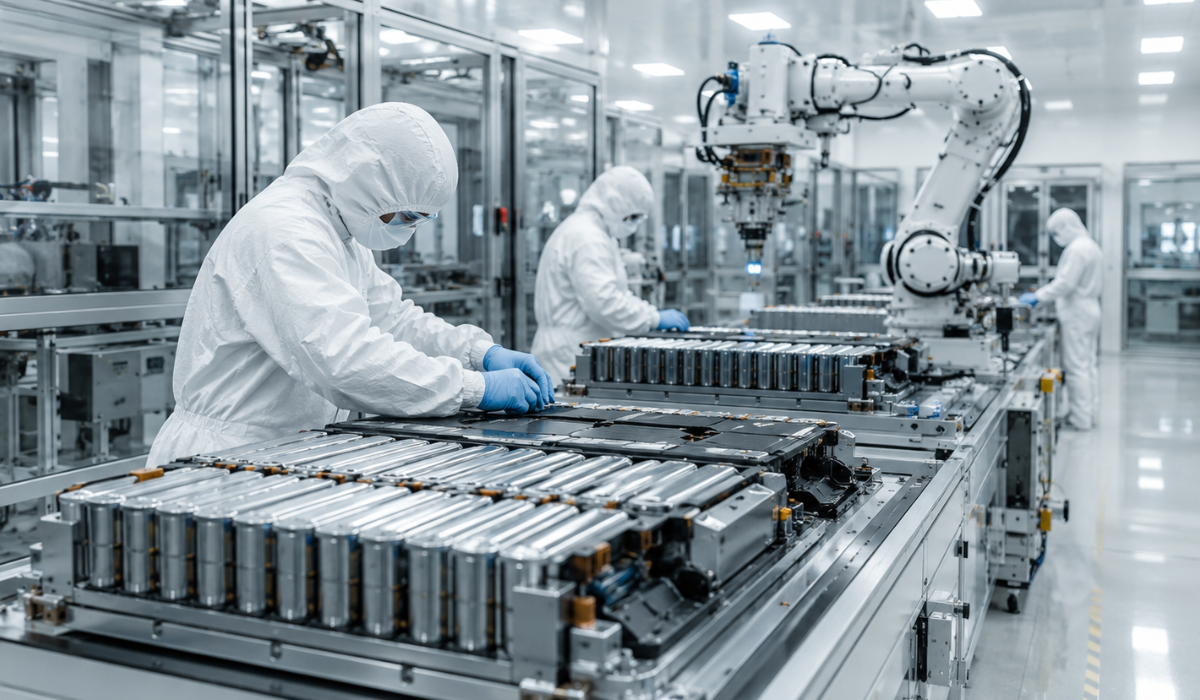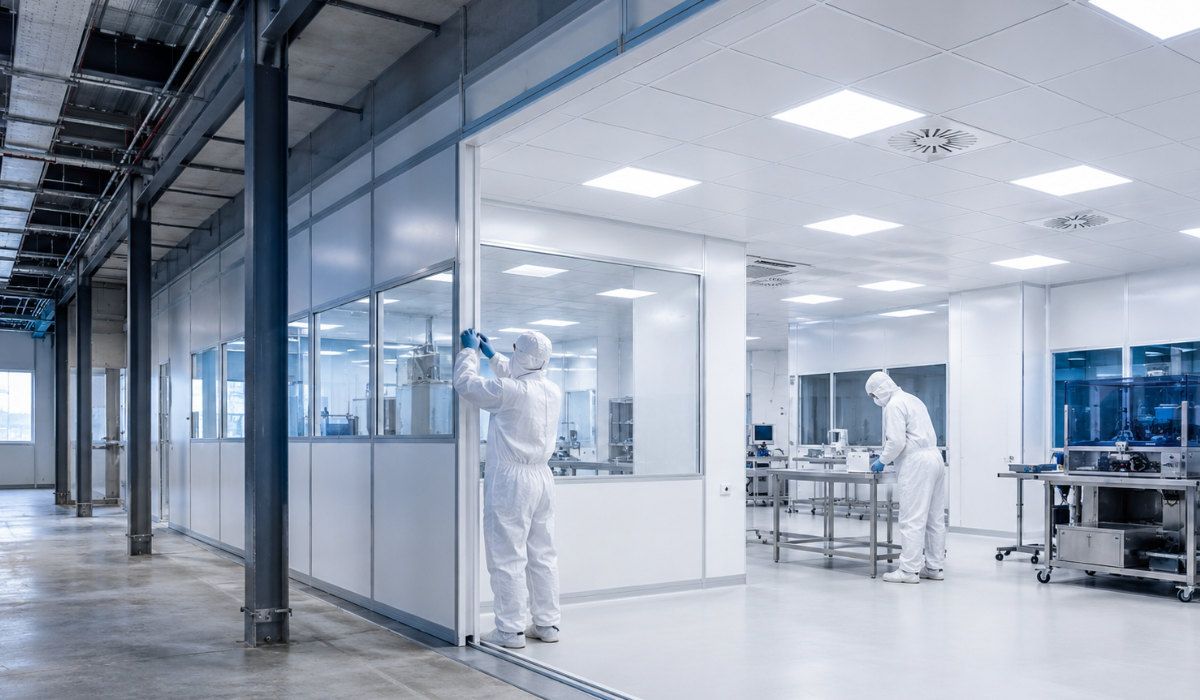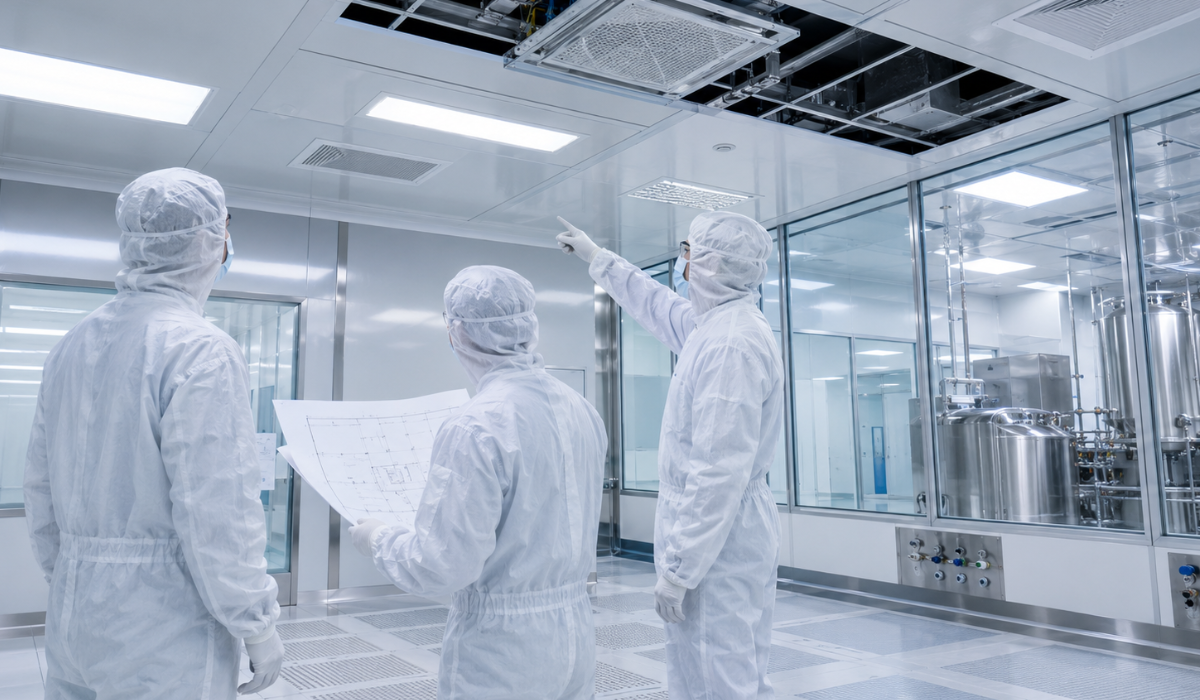
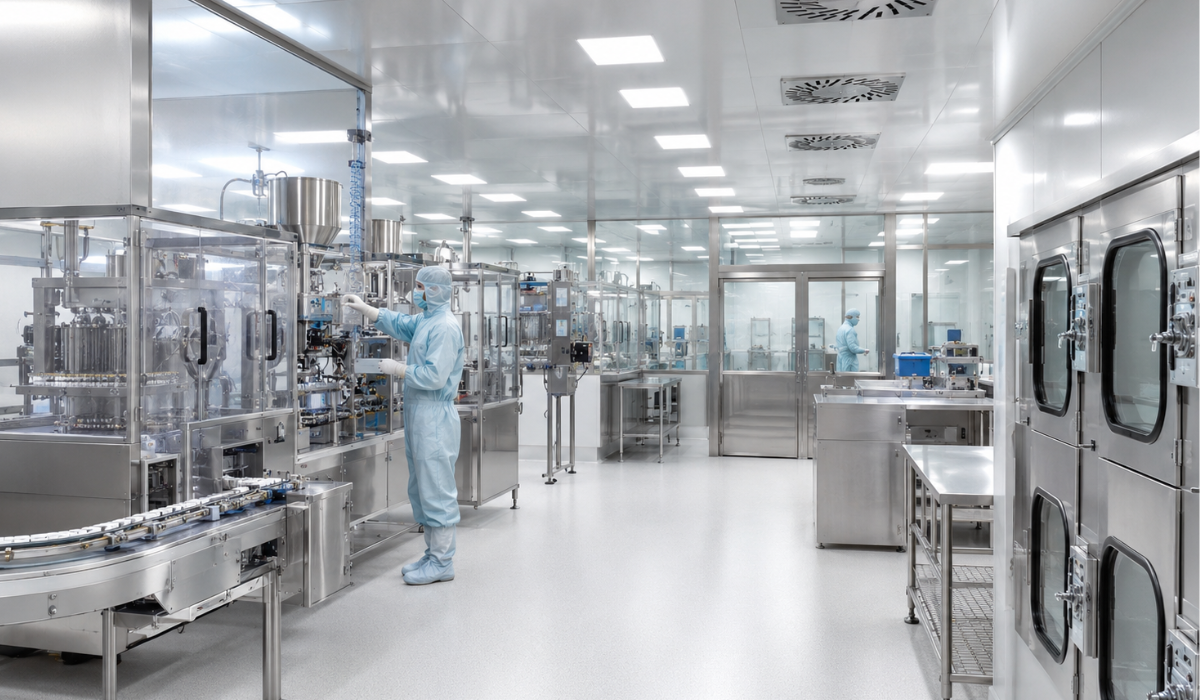
Planning a cleanroom around your manufacturing process helps ensure the controlled environment supports your production requirements, contamination risks, regulatory obligations, and operational efficiency.
Instead of designing a generic cleanroom and adapting your workflow to fit it, a process-first approach creates a facility that protects product quality, improves productivity, reduces unnecessary costs, and supports long-term compliance.
Imagine spending months building a cleanroom only to discover that the airflow layout conflicts with your production line, your ISO classification is stricter than your product actually requires, or your gowning area interrupts the natural flow of personnel and materials.
These are not uncommon mistakes. They can lead to costly redesigns, higher operating expenses, production delays, and compliance challenges.
The fundamental question in cleanroom manufacturing is not simply, “How clean does this room need to be?” It is, “What does my manufacturing process require, and how should the cleanroom be designed to support it?”
Every manufacturing process has unique contamination risks, equipment needs, workflow patterns, and environmental requirements. Designing the cleanroom around those factors helps create a controlled environment that works with the production process rather than against it.
This article explains why process-first cleanroom planning matters, how ISO classifications should align with actual manufacturing requirements, and the key design considerations that help manufacturers build efficient, compliant, and cost-effective cleanroom facilities.
What Is a Cleanroom in Manufacturing?
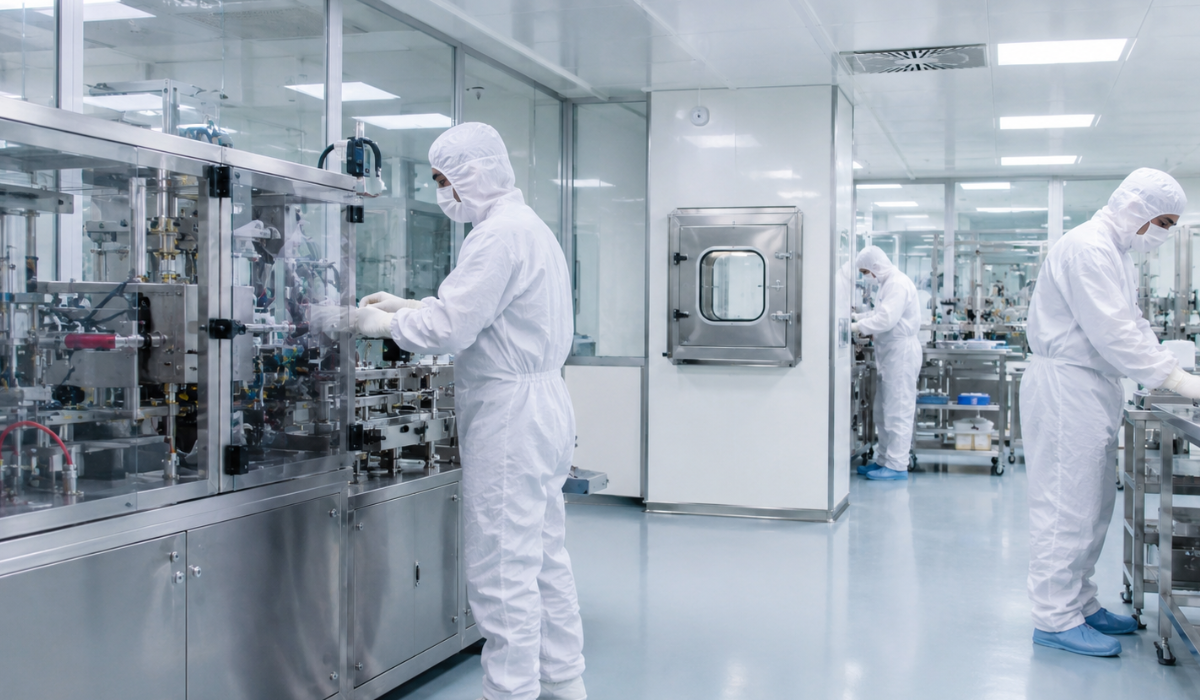
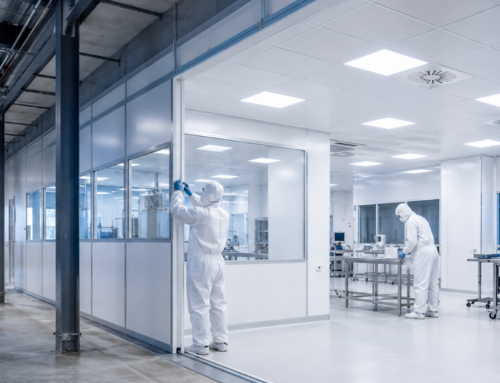
A cleanroom is a controlled production environment designed to limit airborne particles, microorganisms, and other contaminants that could interfere with manufacturing activities.
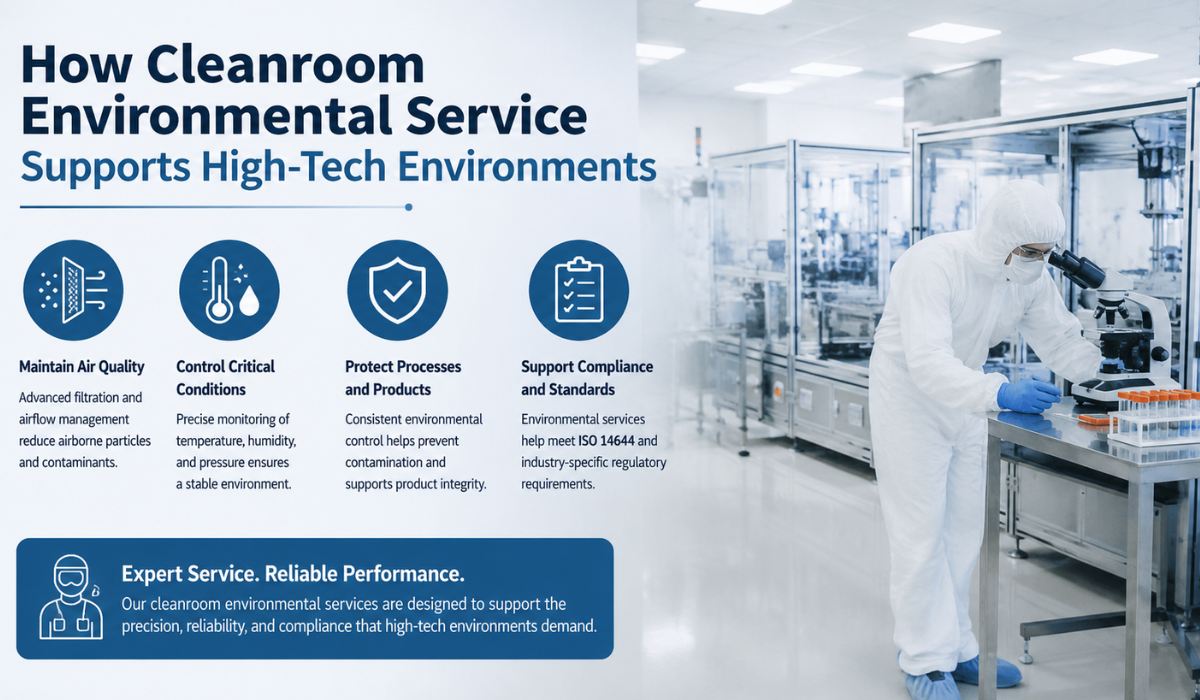
Unlike a standard factory floor, a cleanroom operates under carefully managed environmental conditions, including air cleanliness, temperature, humidity, airflow, and pressure, to help maintain consistent production quality.
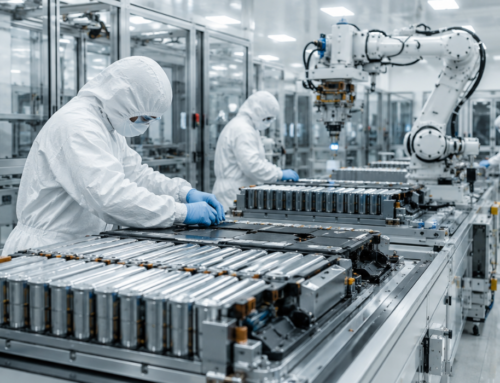
Manufacturing cleanrooms are used in industries where contamination can affect product performance, safety, or compliance.
For example, pharmaceutical manufacturers use cleanrooms to reduce the risk of microbial contamination during drug production, while electronics and semiconductor manufacturers rely on them to protect sensitive components from microscopic particles that could impact performance.
To maintain these controlled conditions, cleanrooms combine multiple engineering controls. High-efficiency air filtration systems continuously remove airborne particles, controlled airflow helps prevent contaminants from spreading, and pressure differentials reduce the movement of unfiltered air between adjacent areas.
Personnel also follow strict entry procedures, including gowning requirements and hygiene practices, because people are one of the primary sources of contamination.
Rather than serving as a separate production area, a cleanroom functions as an integrated part of the manufacturing operation.
Its design, environmental controls, and operating procedures work together to support reliable production, consistent product quality, and compliance with industry standards.
Why Cleanrooms Are Essential for Modern Manufacturing
Modern manufacturing demands consistent product quality, reliable production processes, and compliance with strict industry regulations.
In many industries, even microscopic contaminants can affect product performance, compromise safety, or result in costly production losses.
Cleanrooms help address these challenges by providing a controlled environment where contamination risks are actively managed throughout the manufacturing process.
Cleanrooms are particularly important in industries such as pharmaceuticals, medical devices, biotechnology, semiconductors, aerospace, electronics, and food processing.
For example, airborne particles can interfere with semiconductor components, while microbial contamination can compromise sterile pharmaceutical products.
By controlling environmental conditions, manufacturers can reduce these risks and maintain product integrity from production to packaging.
Beyond contamination control, cleanrooms contribute to operational efficiency. Controlled airflow, temperature, humidity, and pressure create stable manufacturing conditions that support precision processes and reduce product defects.
Consistent environmental control also helps improve production repeatability, ensuring that products meet the same quality standards across multiple manufacturing batches.
Cleanrooms also play an important role in meeting regulatory and quality requirements.
Many industries must comply with standards such as ISO 14644 for cleanroom classification, while pharmaceutical and medical device manufacturers may also need to follow Good Manufacturing Practices (GMP) and other regulatory guidelines.
A properly designed and maintained cleanroom helps demonstrate compliance during inspections and audits while reducing the likelihood of production interruptions caused by contamination issues.
Equally important is protecting the long-term efficiency of manufacturing operations.
Product recalls, rejected batches, equipment contamination, and unexpected downtime can significantly increase operating costs.
By maintaining a controlled production environment, manufacturers can reduce these risks while improving process reliability and customer confidence.
Ultimately, cleanrooms are more than specialized production spaces.
They provide the controlled conditions needed to manufacture high-quality products consistently, support regulatory compliance, and create a foundation for efficient, reliable, and scalable manufacturing operations.
How Your Manufacturing Process Shapes Cleanroom Design
Every manufacturing process has unique operational requirements, so a cleanroom should be designed around how production actually takes place.
Rather than following a standard layout, manufacturers should evaluate each stage of production to ensure the cleanroom supports efficiency, contamination control, and future operational needs.
The type of product being manufactured is one of the biggest design considerations. Fragile electronic components, sterile medicines, and medical devices all require different environmental controls and production conditions.
Understanding these requirements helps determine the appropriate cleanroom classification and the level of environmental control needed for each manufacturing area.
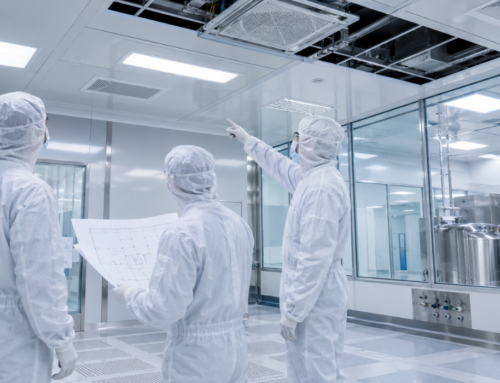
Production workflow is equally important. The movement of personnel, raw materials, finished products, and waste should follow a logical sequence that reduces unnecessary movement and minimises opportunities for cross-contamination.
Planning these pathways early also improves operational efficiency and makes day-to-day production easier to manage.
Manufacturing equipment also influences cleanroom design. Equipment dimensions, utility requirements, maintenance access, and heat generation all affect room size, HVAC capacity, airflow patterns, and service locations.
Considering these factors during the planning stage helps avoid costly modifications after installation.
Finally, manufacturers should consider future operational needs. Production volumes may increase, new equipment may be introduced, or additional product lines may require expansion.
Designing flexibility into the cleanroom from the outset allows businesses to adapt without major disruptions or extensive reconstruction.
By aligning cleanroom design with the manufacturing process from the beginning, businesses can create facilities that support efficient production today while remaining adaptable for future growth.
Why Choose the Right ISO Cleanroom Classification for Your Manufacturing Process?
Not every manufacturing process requires the same level of environmental control.
Choosing the right ISO cleanroom classification ensures the cleanroom provides the required level of cleanliness without adding unnecessary construction, energy, or maintenance costs.
Under ISO 14644-1, cleanrooms are classified based on the concentration of airborne particles.
The standard defines ISO Class 1 as the cleanest environment and ISO Class 9 as the least restrictive. In general, lower ISO class numbers require stricter contamination control and more advanced environmental systems.
The appropriate classification depends on the manufacturing process and the sensitivity of the product.
For example, sterile pharmaceutical production, semiconductor manufacturing, and certain medical device applications typically require stricter environmental controls than general manufacturing operations.
Assessing each production stage helps determine where higher cleanliness levels are necessary.
Selecting an ISO classification that is higher than required can increase construction costs, energy consumption, HVAC demands, and maintenance without providing additional operational benefits.
Conversely, choosing a lower classification than the process requires can increase contamination risks, lead to product defects, and disrupt production.
Many manufacturers address these challenges by assigning different ISO classifications to separate production areas based on their specific contamination risks.
This process-based approach helps optimize resource utilisation while ensuring each manufacturing stage receives the appropriate level of environmental control.
Conclusion
Planning a cleanroom is a strategic decision that influences the efficiency, adaptability, and long-term performance of a manufacturing facility.
Every design choice, from room layout and equipment placement to airflow and ISO classification, should support the way production is carried out rather than following a standard template.
A process-driven approach allows manufacturers to allocate resources where they are needed most while creating an environment that can accommodate changing operational demands.
As manufacturing technologies and regulatory expectations continue to evolve, investing time in careful planning helps build a cleanroom that remains functional, scalable, and capable of supporting sustainable business growth.
Build a Manufacturing Cleanroom That Supports Your Production Process
Every manufacturing environment has unique production workflows, contamination control requirements, and operational goals.
At UltraPure Technology, we design and build cleanroom solutions that align with the specific needs of your manufacturing process rather than relying on a one-size-fits-all approach.
From pharmaceutical and medical device manufacturing to electronics, biotechnology, and other controlled environments, our team delivers customised cleanroom solutions that support efficient workflows, regulatory compliance, and long-term performance.
Contact our crew today to discuss your manufacturing requirements and discover how a purpose-built cleanroom can help optimize your production operations and support future growth.
Frequently Asked Questions
What is the most common ISO class used in pharmaceutical manufacturing?
ISO Class 7 is the most widely used classification for standard pharmaceutical production environments. ISO Class 5 is required for the most critical processes, such as sterile injectable manufacturing.
How do I know which ISO class my process needs?
The classification is determined by the maximum allowable particle count per cubic metre at operational conditions, mapped against the contamination sensitivity of the product. A cleanroom consultant or regulatory specialist can help establish the correct class for your specific process.
What happens if a cleanroom fails to maintain its ISO classification during production?
Production must be halted, an investigation must be conducted, and corrective action must be documented before resuming. Regulatory bodies may require a formal notification depending on the product type and the extent of the deviation.
Can a cleanroom be expanded or reconfigured after it is built?
Modular cleanroom systems are specifically designed for reconfiguration, expansion, or relocation. Bespoke constructed cleanrooms are less flexible, though modifications can be made with validation and compliance re-testing.
How often should a cleanroom be tested and validated?
ISO 14644-2 recommends particle count testing at least every 12 months for ISO Class 6 and above, and every 6 months for ISO Class 5 and above. HVAC systems, HEPA filters, and environmental monitoring equipment should be checked on a schedule aligned with the facility’s risk assessment and regulatory requirements.