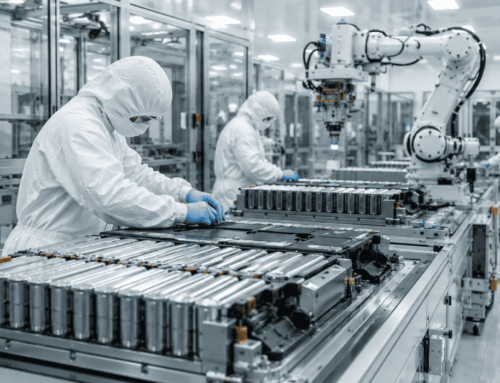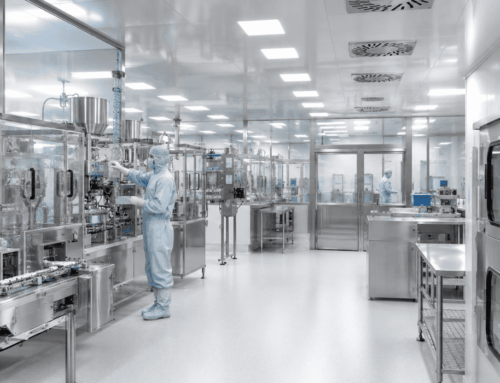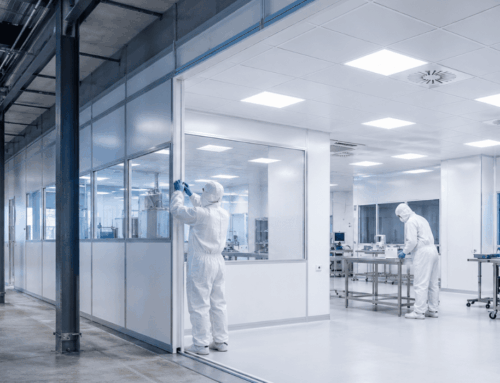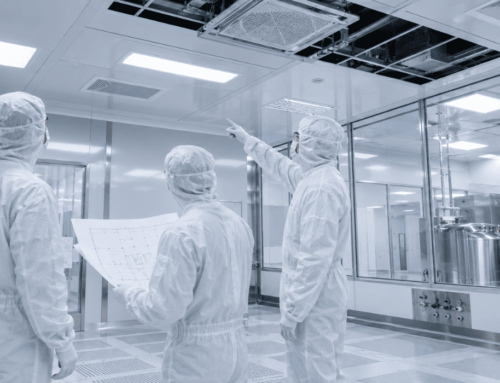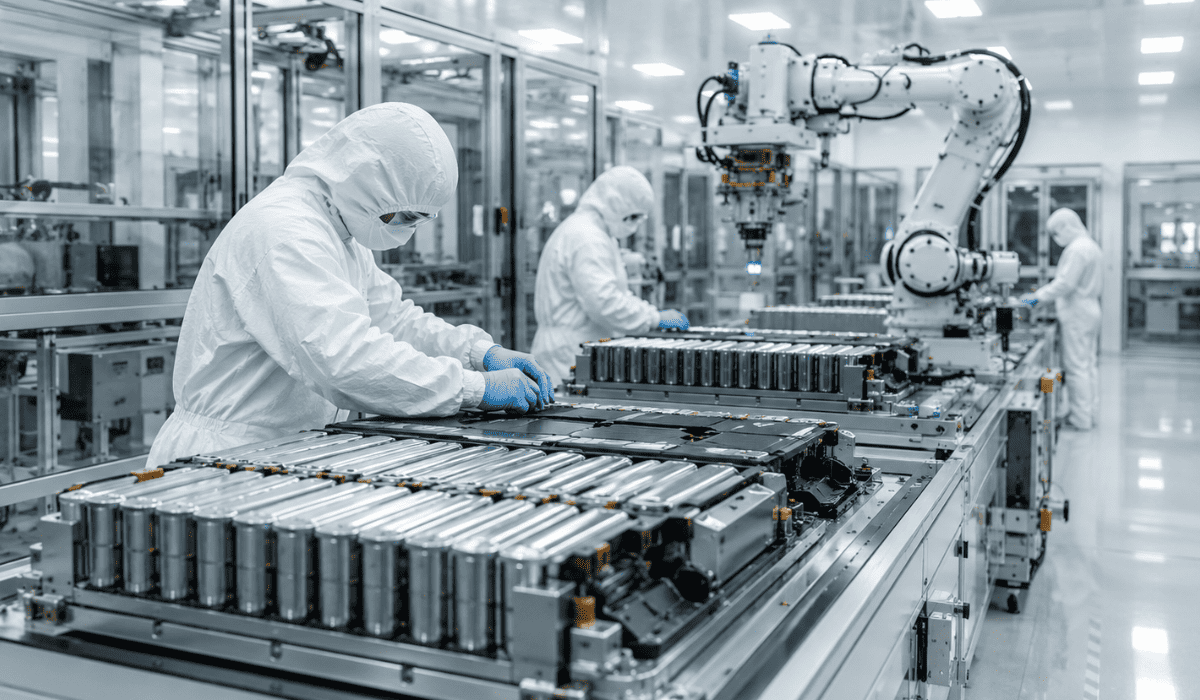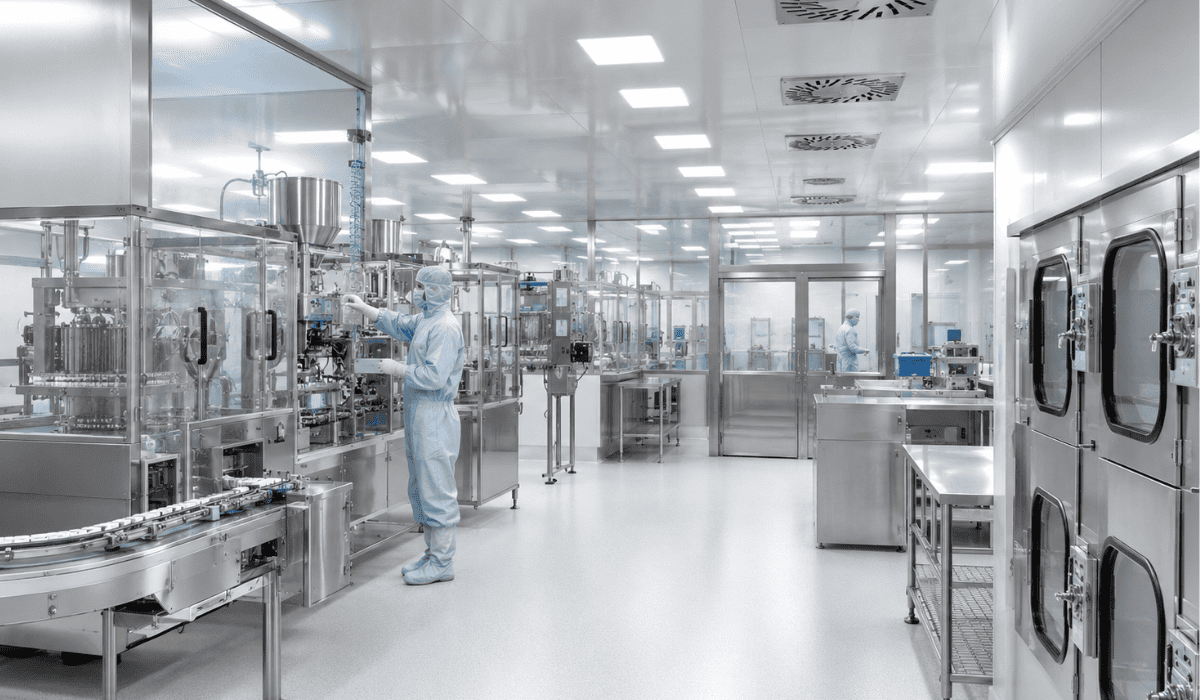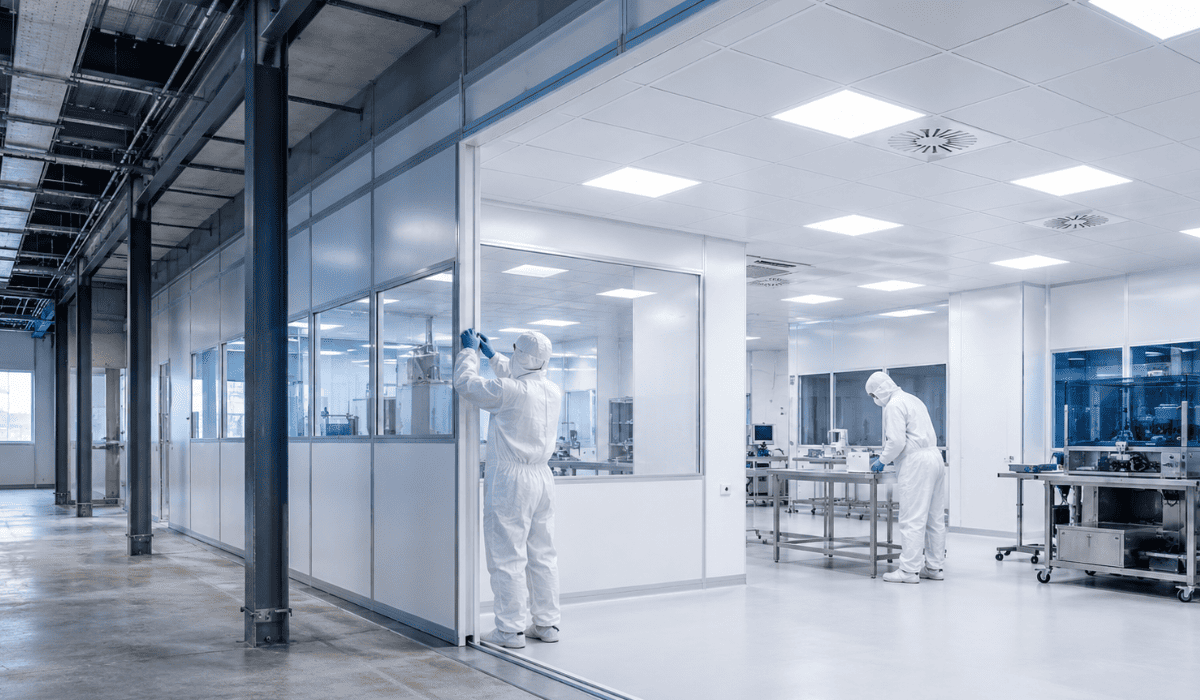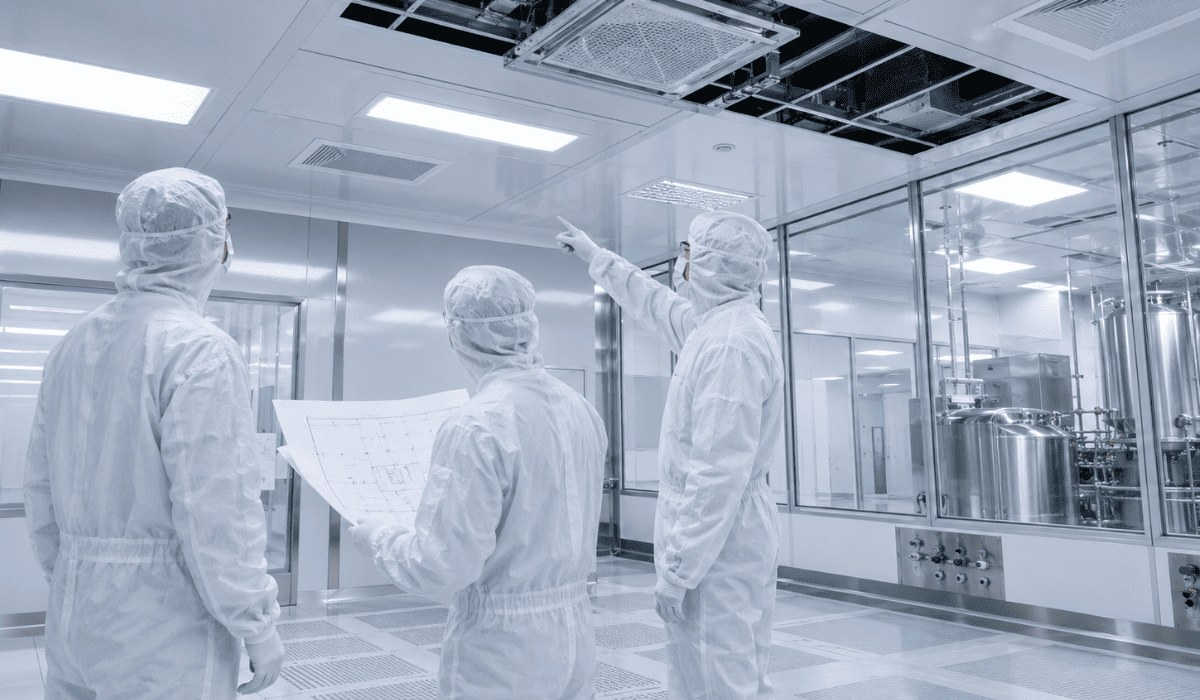
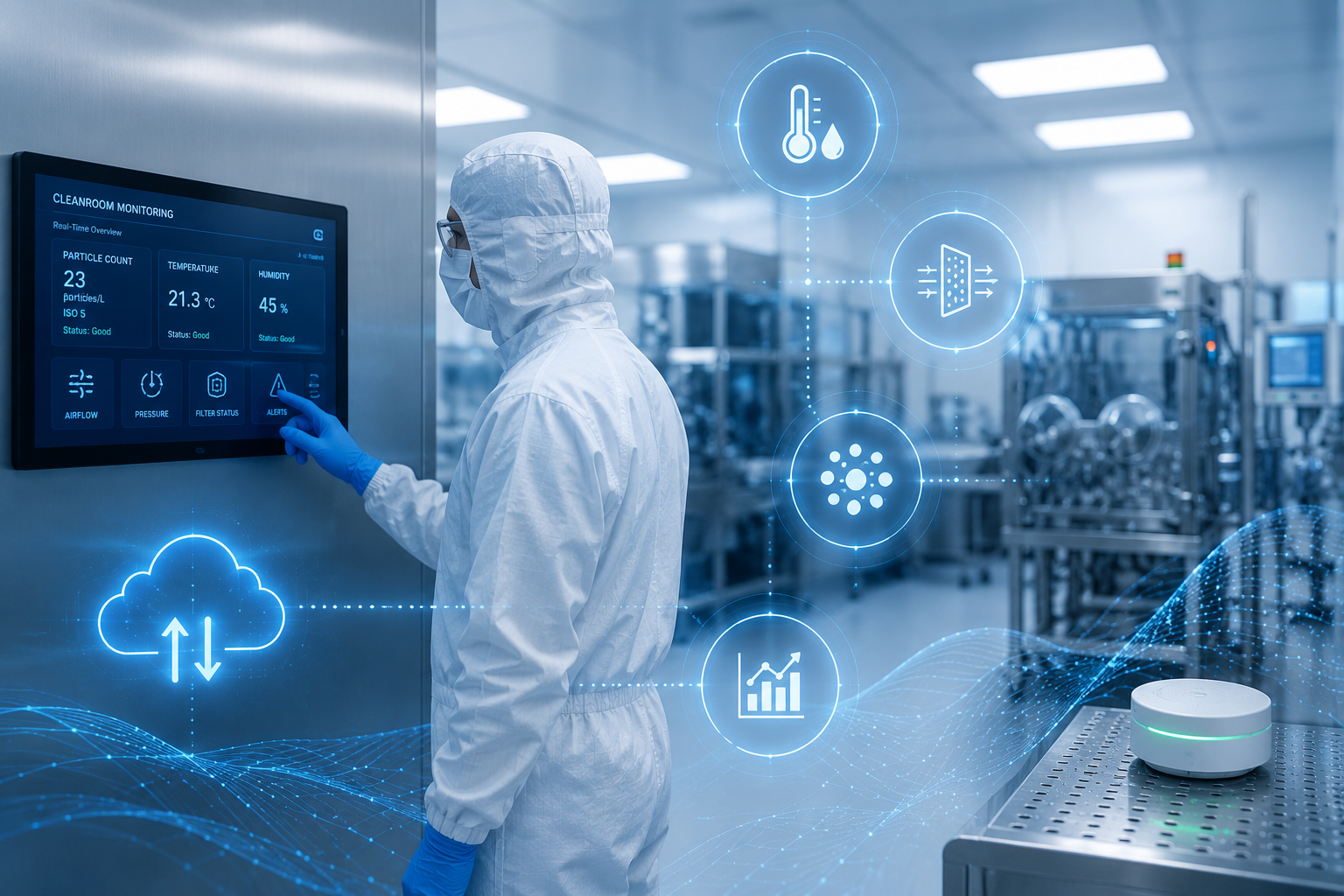
Cleanroom solutions are evolving as regulated facilities look for better ways to control contamination, protect sensitive processes, support ISO classifications, and improve operational visibility.
Modern cleanrooms are no longer only about walls, ceilings, filters, and controlled airflow.
They are complete controlled environment systems designed around ISO requirements, workflow, HVAC and filtration engineering, material performance, installation quality, commissioning, documentation, and long-term operational goals.
For pharmaceutical manufacturers, medical device companies, biotechnology facilities, electronics producers, aerospace suppliers, and advanced manufacturers, contamination control is directly connected to product quality, process consistency, and compliance readiness.
Even small changes in airflow, pressure, humidity, temperature, or particle levels can affect how a cleanroom performs.
That is why Cleanroom Solutions 2.0 is not just a technology trend. It represents a smarter and more complete approach to planning, building, monitoring, and supporting cleanrooms.
Facilities must understand which type of cleanroom solution fits their application, what ISO class may be required, and what qualifications separate a capable provider from an under-resourced one.
For companies in Suwanee, GA, Ultrapure Technology provides cleanroom design and build support, modular cleanroom solutions, custom cleanroom solutions, ISO cleanroom solutions, and controlled environment solutions for regulated and technical facilities.
This guide explains how modern cleanroom solutions are transforming contamination control and what facility teams should consider before starting a project.
Why Cleanroom Solutions Are Evolving
Cleanroom needs have changed significantly as industries have become more specialized, regulated, and technology-driven.
Facilities now need cleanrooms that can support tighter contamination control, better documentation, faster production changes, and more reliable monitoring.
In pharmaceutical and biotechnology environments, cleanrooms may need to support sensitive products, sterile processes, biologics, research work, or production areas that require strict environmental control.
In medical device manufacturing, cleanrooms help protect components, assemblies, packaging, and finished products from particles and contamination risks.
In electronics, aerospace, semiconductor, and advanced manufacturing environments, even microscopic contamination can affect product performance.
This is why cleanroom solutions must now support both strong contamination control fundamentals and smarter operational visibility.
What Cleanroom Solutions Actually Include
Cleanroom solutions include the planning, design, construction, installation, commissioning, and documentation required to create a controlled environment that performs to its intended ISO classification.
A complete solution starts before installation with layout planning, workflow review, equipment coordination, utility needs, material selection, HVAC design, and filtration strategy.
The physical build may include wall and ceiling systems, flooring, lighting, gowning areas, airlocks, pass-throughs, HEPA or ULPA filtration, and pressure control components.
Commissioning then verifies that the cleanroom performs as intended through particle count testing, airflow measurement, pressure differential checks, and documentation.
This documentation helps facility teams support audits, re-certification, internal quality reviews, and long-term cleanroom management.
What Smart Technology Means for Cleanroom Contamination Control
Smart technology in cleanrooms is not about replacing the fundamentals.
A cleanroom still needs proper layout, airflow, filtration, pressure control, sealed surfaces, cleanable materials, and correct installation.
Smart systems add another layer by helping teams track conditions, identify changes, and respond before small issues become larger problems.
Modern cleanroom solutions may include monitoring systems for airborne particles, temperature, humidity, room pressure, airflow performance, filter performance, door status, equipment conditions, and environmental trends.
This type of visibility helps facility teams better understand how the cleanroom is performing over time.
If pressure drops, humidity moves outside the desired range, or particle levels begin to trend upward, the team can investigate earlier.
Smart technology works best when it is built into the cleanroom design and build process from the beginning.
Planning for monitoring early helps ensure the cleanroom layout, utilities, access points, and documentation needs are properly coordinated.
ISO Classification and Why It Matters
ISO classification is one of the first decisions in any cleanroom project because it affects nearly every design choice.
ISO class cleanrooms are designed to control airborne particles within defined limits, and the required classification influences airflow, filtration, pressure relationships, surface materials, gowning areas, equipment layout, and testing expectations.
Common examples include ISO Class 5 for aseptic pharmaceutical filling and critical semiconductor zones, ISO Class 7 for medical device assembly and biotech production, and ISO Class 8 for packaging, labeling, gowning, or less sensitive manufacturing steps.
Once the target ISO class is defined, it influences airflow, filter coverage, surface materials, pressure differentials, gowning requirements, and testing expectations.
A cleanroom company should design and build a room capable of supporting the target class, while formal ISO certification is confirmed through independent testing and documentation.
The Role of HVAC, Filtration, and Pressure Control
HVAC, filtration, and pressure control are the backbone of cleanroom performance.
Without proper mechanical planning, even the most advanced monitoring system cannot compensate for poor airflow, weak filtration, or unstable pressure relationships.
HVAC supports temperature, humidity, airflow, ventilation, and pressure control.
In cleanrooms, these factors are not just comfort concerns. They directly affect contamination control and process stability.
Filtration is equally important. HEPA or ULPA filtration may be used depending on the cleanliness level required.
Filter location, ceiling coverage, airflow patterns, return air paths, and room layout all affect how particles are controlled inside the cleanroom.
Pressure control helps manage movement between clean and less-clean areas.
Modern cleanroom construction solutions should clearly define who is responsible for system design, equipment selection, installation, balancing, testing, and documentation.
Types of Cleanroom Solutions
Different facilities need different cleanroom solutions depending on ISO classification, workflow, space, equipment, and compliance needs.
Custom cleanroom design and build is best when a facility has complex requirements, specialized equipment, multi-room layouts, strict compliance needs, or unique workflow demands.
This approach offers the most flexibility for pharmaceutical, biotech, medical device, and advanced manufacturing facilities.
Modular cleanroom solutions use pre-engineered wall panels, ceiling systems, lighting, and filtration components to create ISO-classified spaces with faster installation and future reconfiguration potential.
They are useful for facilities that need speed, flexibility, or expansion options.
Custom modular cleanrooms combine both approaches by using modular construction configured around a facility’s exact ISO class, floor plan, equipment layout, and process workflow.
Softwall cleanrooms may fit less stringent applications, but regulated facilities should carefully review whether they meet compliance and durability requirements.
Cleanroom Solutions for Regulated Industries
Different industries need different cleanroom solutions.
Pharmaceutical facilities may require ISO 5 critical zones, ISO 7 background rooms, and ISO 8 gowning areas, along with strong documentation for audits and validation.
Medical device cleanrooms often support assembly, inspection, and packaging for sterile or sensitive devices.
These spaces must be planned around ISO classification, quality systems, and audit readiness.
Biotechnology cleanrooms may support cell culture, biologics, vaccines, gene therapy, or research applications.
These environments often need to control both product contamination and process-related risks.
Advanced manufacturing cleanrooms, including semiconductor, aerospace, optics, and electronics facilities, may require tighter particle control, ESD management, chemical resistance, and precision airflow planning.
Key Technical Factors in a Cleanroom Solution
Airflow design determines how particles are controlled inside the cleanroom.
Non-unidirectional airflow is common for ISO 6 through ISO 9 spaces, while unidirectional airflow is often required for ISO 5 and stricter environments.
Filtration must match the target ISO class. HEPA filters are common in many pharmaceutical, medical device, and biotech cleanrooms, while ULPA filters may be used for more stringent semiconductor or precision manufacturing environments.
Surface materials also matter. Walls, floors, ceilings, doors, and joints must support cleaning, chemical exposure, durability, and low particle generation.
Pressure differential design helps protect clean zones from adjacent spaces and must be coordinated directly with HVAC planning.
How Cleanroom Design and Build Supports Smart Cleanroom Performance
Smart technology works best when the cleanroom is properly designed and built from the beginning.
Monitoring systems can provide valuable data, but they cannot fix a poorly planned layout, weak sealing, inadequate airflow, or unclear system responsibilities.
Cleanroom design and build solutions for manufacturers should begin with a clear understanding of the facility’s goals.
The provider should understand what the cleanroom is used for, what classification is required, how people and materials move, what equipment will be installed, and what systems need to be integrated.
Important design and build considerations include clean-to-less-clean workflow, equipment layout, wall and ceiling system selection, flooring, cleanable surfaces, door locations, sealing, pass-through placement, and gowning areas.
They also include HVAC coordination, filtration strategy, utility integration, lighting, monitoring system placement, and maintenance access.
Even strong design can be weakened by poor installation. Panel joints, door seals, ceiling systems, filter housings, penetrations, and finishes must be installed with cleanroom performance in mind.
Why Local Cleanroom Solutions Matter for Suwanee, GA Facilities
For facilities in Suwanee, Gwinnett County, and the Atlanta metro area, working with a local cleanroom solutions company can improve communication, scheduling, site assessments, and project coordination.
Local support can also help reduce delays during installation, commissioning, and future modifications.
A regional provider may better understand Georgia building codes, local permitting needs, MEP coordination, and facility conditions common across the Atlanta metro area.
After installation, local accessibility also supports re-testing, filter replacement, re-certification coordination, system changes, and expansion planning.
For regulated facilities, this long-term support can be just as important as the initial build because cleanroom performance must be maintained over time.
What to Look for in a Cleanroom Solutions Company in Suwanee GA
Choosing the right cleanroom solutions company in Suwanee GA requires more than comparing basic service lists.
Facility teams should look for a provider that understands technical planning, ISO cleanroom solutions, cleanroom construction solutions, modular systems, custom applications, and post-installation support.
A qualified provider should be able to explain how the cleanroom will support contamination control, which ISO classification may be appropriate, how airflow and filtration will be planned, who is responsible for HVAC coordination, what materials will be used, how the layout supports workflow, what installation steps are required, what documentation may be provided, and how the cleanroom can support future changes.
The best provider should not simply sell a cleanroom. They should help your team understand what kind of cleanroom solution fits your facility, industry, process, and long-term goals.
How Ultrapure Technology Delivers Cleanroom Solutions in Suwanee, GA
Ultrapure Technology supports pharmaceutical, biotech, medical device, manufacturing, and technical facilities across Suwanee, GA and the Atlanta metro area with cleanroom design, construction, installation, and controlled environment planning.
Through a design-build approach, we help facilities manage key project elements under one coordinated scope, including layout planning, material selection, modular or custom system selection, ISO-focused design considerations, installation, and commissioning support.
This helps reduce coordination gaps and keeps the cleanroom aligned with the facility’s classification, workflow, production, and contamination control needs.
For facilities evaluating Cleanroom Solutions 2.0, our experts help determine whether a modular cleanroom, custom ISO cleanroom, expanded controlled environment, or process-specific cleanroom is the right fit.
The team also supports important performance factors such as HVAC coordination, filtration planning, pressure control, monitoring readiness, documentation support, and long-term usability.
As a Suwanee-based cleanroom solutions company, Ultrapure Technology offers local accessibility from initial consultation through commissioning documentation and ongoing facility support.
Conclusion
Cleanroom Solutions 2.0 is about more than adding smart technology to a controlled environment.
It is about combining proper cleanroom design, reliable construction, strong contamination control fundamentals, modular flexibility, ISO planning, and better operational visibility.
Smart monitoring, automation, and environmental tracking can help facilities manage cleanroom conditions more effectively.
These tools only deliver value when the cleanroom itself is planned and built correctly. Airflow, filtration, pressure control, materials, workflow, installation quality, and documentation remain the foundation of performance.
For facilities in Suwanee, GA and the greater Atlanta metro area, Ultrapure Technology provides cleanroom solutions that support regulated and technical environments.
Whether your facility needs custom cleanroom solutions, modular cleanroom systems, ISO cleanroom solutions, or cleanroom design and build support, the right planning partner can help you create a cleaner, smarter, and more reliable controlled environment.
Ready to Discuss Modern Cleanroom Solutions?
UltraPure Technology helps facilities create cleanrooms that support contamination control, ISO classification, workflow, and long-term performance.
Whether you are planning a new cleanroom, expanding an existing space, or upgrading to a more flexible controlled environment, our team can help define the right solution for your facility.
Contact us to discuss your project requirements and learn what a complete cleanroom solution should include.
FAQs
What are cleanroom solutions?
Cleanroom solutions include the design, construction, installation, and support systems used to create controlled environments. These may include wall systems, ceilings, flooring, HVAC, filtration, pressure control, monitoring systems, and documentation support. The right solution depends on the facility’s ISO classification, industry, workflow, and contamination control needs.
How does smart technology improve cleanroom contamination control?
Smart technology can help monitor conditions such as particle levels, temperature, humidity, pressure differentials, and airflow performance. This gives facility teams better visibility into cleanroom conditions and helps them identify potential issues earlier. Smart monitoring should still be supported by proper design, filtration, HVAC planning, and cleanroom procedures.
What industries need cleanroom solutions?
Cleanroom solutions are commonly used in pharmaceutical manufacturing, medical device production, biotechnology, electronics, aerospace, semiconductor, and advanced manufacturing environments. These industries need controlled spaces to protect products, processes, or sensitive components from contamination. The required cleanroom design depends on the industry and the level of environmental control needed.
Are modular cleanroom solutions good for regulated facilities?
Modular cleanroom solutions can be a strong option for regulated facilities that need flexibility, faster installation, or future expansion. They can be designed around specific ISO classifications, workflows, and operational requirements. The best choice depends on the process, available space, equipment layout, and compliance needs of the facility.
Why is HVAC important in cleanroom solutions?
HVAC is critical because it supports airflow, temperature, humidity, filtration, and pressure control. These factors directly affect contamination control and cleanroom performance. Poor HVAC planning can create pressure issues, airflow problems, temperature instability, and difficulty maintaining the desired ISO classification.
How do ISO cleanroom solutions support contamination control?
ISO cleanroom solutions are designed around defined airborne particle limits and environmental control requirements. The ISO classification helps determine airflow, filtration, pressure relationships, materials, and testing expectations. When planned correctly, ISO cleanroom solutions help facilities maintain cleaner and more controlled production or research environments.
What is the difference between custom and modular cleanroom solutions?
Custom cleanroom solutions are designed around highly specific facility, process, equipment, and workflow needs. Modular cleanroom solutions use flexible panel systems that can often be installed faster and reconfigured more easily. Many facilities use a combination of both approaches depending on ISO requirements, space limitations, and future growth plans.
What should I look for in a cleanroom solutions company?
Look for a company with experience in ISO cleanrooms, cleanroom design and build, HVAC coordination, filtration planning, material selection, installation, and documentation. Ultrapure Technology brings these capabilities together to help facilities plan cleanroom solutions that support contamination control and long-term performance. As a qualified provider, we offer clear communication, technical guidance, and project support from planning through installation.