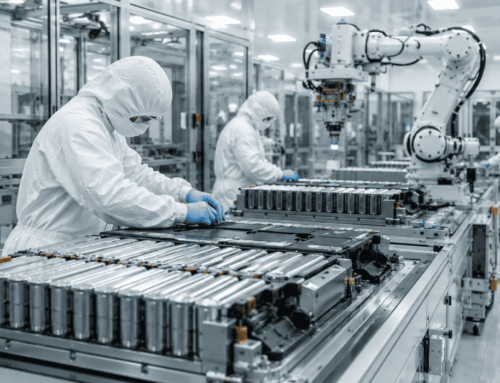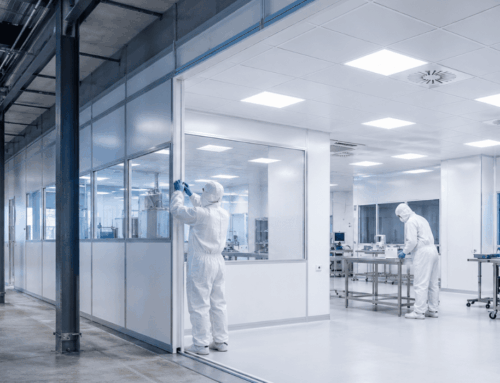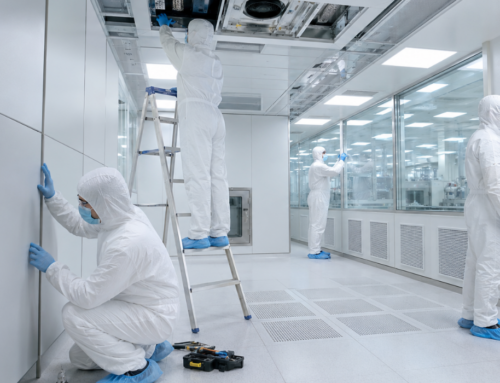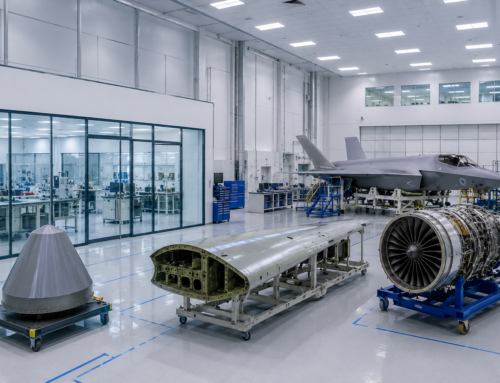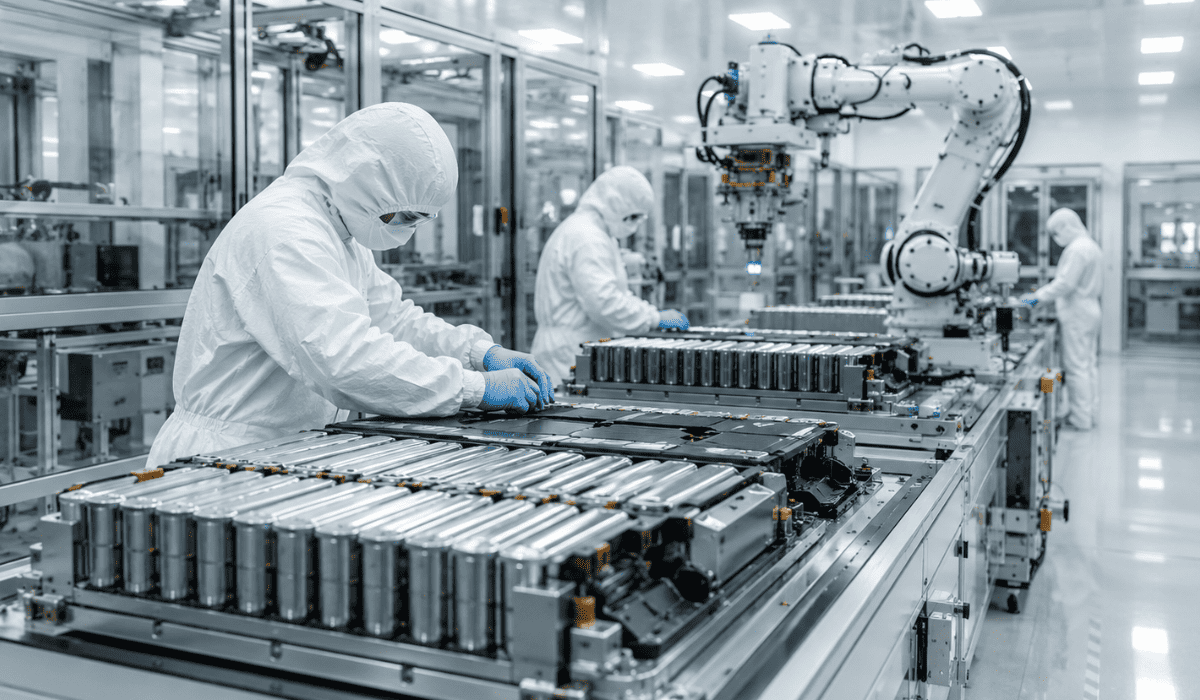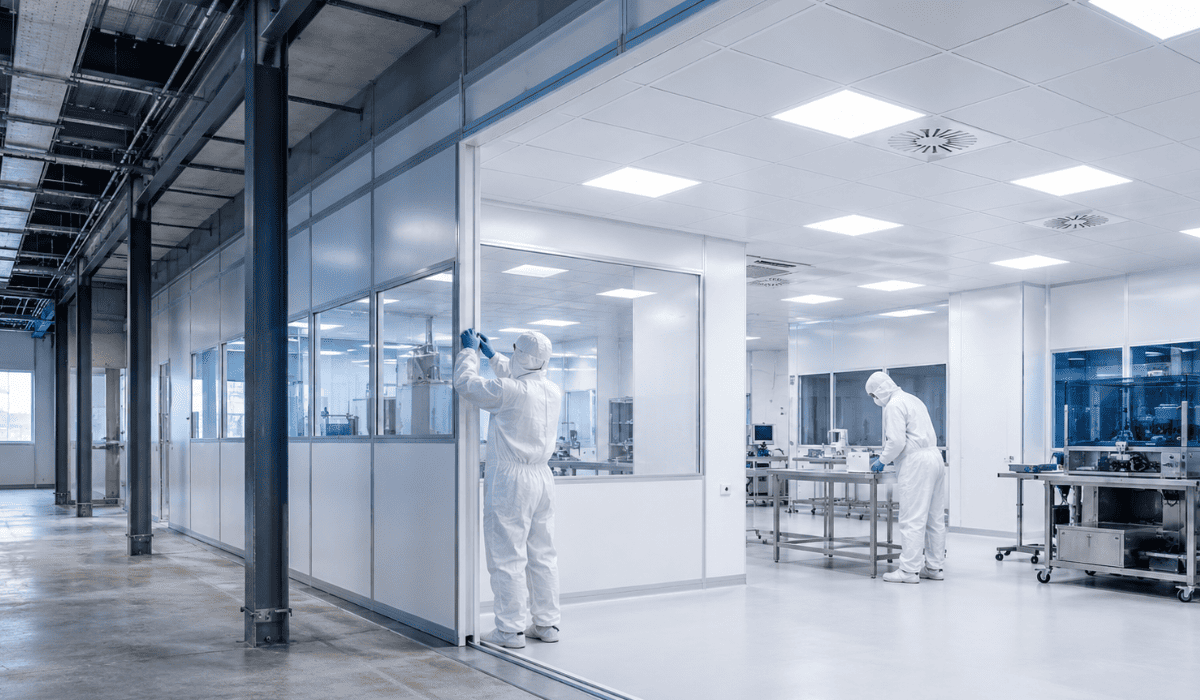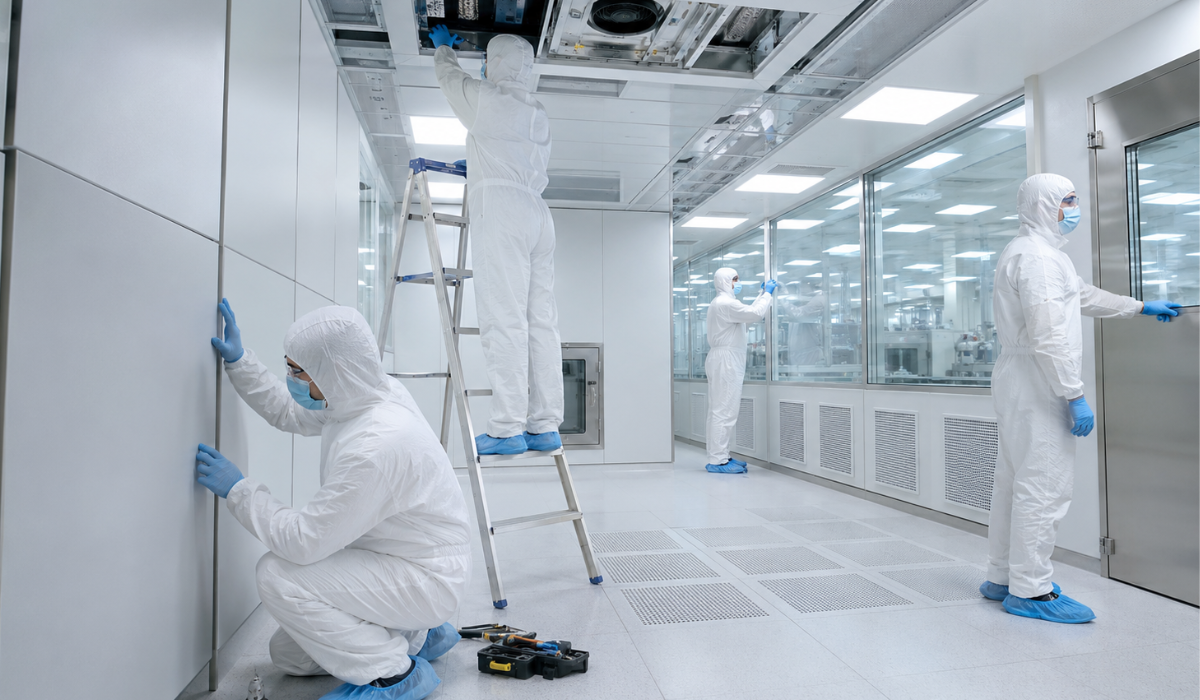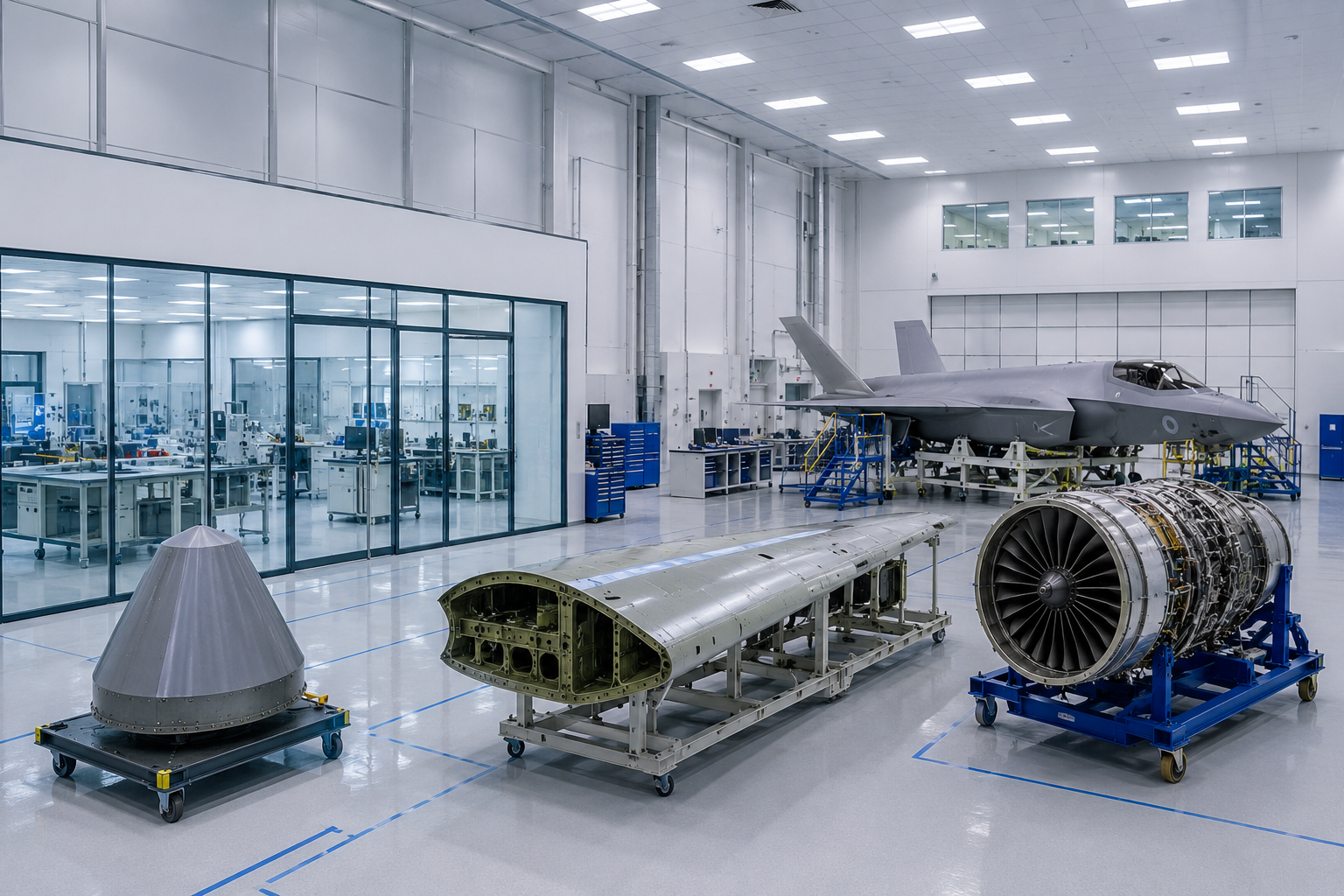
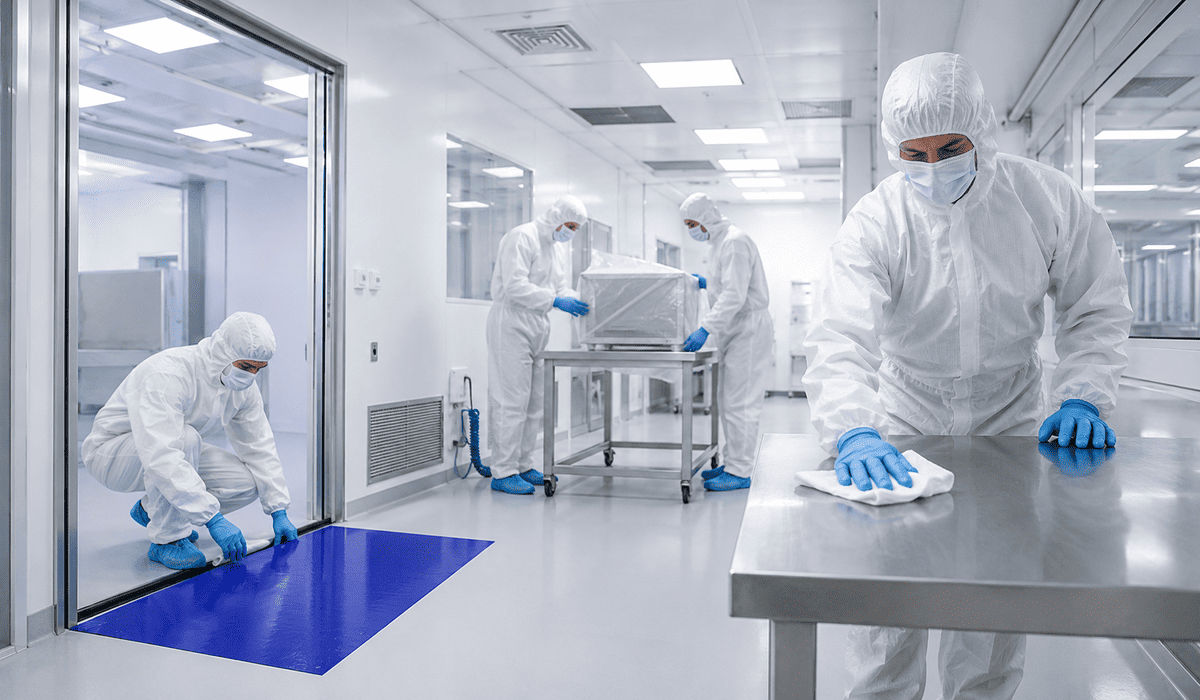
Hygiene is a critical part of cleanroom construction because the finished environment must support strict contamination control from the moment it becomes operational.
For pharmaceutical companies, biotech facilities, laboratories, electronics manufacturers, healthcare facilities, and industrial organizations, even small particles can affect production quality, testing accuracy, equipment performance, and regulatory readiness.
Cleanroom constructors maintain hygiene during work by controlling site access, separating clean and dirty zones, using proper PPE, cleaning tools and materials, protecting airflow systems, managing filtration components, and performing final cleaning before testing or handover.
Their work involves more than building walls, ceilings, floors, and mechanical systems.
They must control dust, debris, airflow, worker movement, material handling, pressure relationships, filtration systems, and final cleaning procedures.
A cleanroom is only effective when its design, construction process, and maintenance planning all support a cleaner controlled environment.
That is why experienced cleanroom constructors follow a structured process that protects hygiene at every stage of the project.
Why Hygiene Must Be Built into Every Cleanroom Project
Hygiene must be built into every cleanroom project because contamination control starts long before the room is active.
A cleanroom is designed to manage particles, microbes, airflow, pressure, temperature, humidity, and surface cleanliness.
If the construction process introduces dust, debris, or uncontrolled contamination, the finished cleanroom may not perform as expected.
Poor hygiene during cleanroom construction can create problems inside wall systems, ceiling grids, ducts, flooring seams, filters, equipment surfaces, and utility penetrations.
These issues may not always be visible immediately, but they can affect testing, certification, and daily operations later.
This is especially important in industries where controlled environments protect sensitive products or processes.
Pharmaceutical facilities need cleanrooms to support product integrity.
Biotech and laboratory spaces need clean conditions for testing and research.
Electronics manufacturers need particle control to protect sensitive components.
Healthcare and industrial facilities may need cleanrooms to maintain reliable workflows.
Cleanroom construction is different from regular construction because cleanliness is part of the performance standard.
The goal is not only to complete the build. The goal is to create a controlled environment that can operate safely, consistently, and cleanly after handover.
How Cleanroom Constructors Control Contamination from Day One
Cleanroom constructors control contamination from the first stage of the project by planning how people, materials, tools, and equipment will move through the construction area.
Before installation begins, the project team identifies possible contamination sources such as dust, debris, packaging materials, open ductwork, unclean tools, and uncontrolled worker access.
This early planning helps reduce the risk of particles entering sensitive areas during cleanroom construction.
A controlled workflow is usually created so materials can be staged, inspected, cleaned, and moved into the work area in the right order.
Cleanroom constructors may also separate construction zones from cleaner installation zones to prevent dust and debris from spreading across the site.
Access points are managed carefully so only approved workers and necessary materials enter the controlled area.
This level of planning is what makes cleanroom construction different from standard construction.
Instead of only focusing on building the space, cleanroom constructors must protect the future performance of the controlled environment while the work is still in progress.
By controlling contamination from day one, they help support cleaner installation, smoother validation, and better long-term cleanroom performance.
What Makes Cleanroom Construction Different from Standard Construction
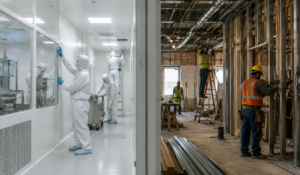
Cleanroom construction requires a different level of planning because the final space must meet controlled environment requirements.
Standard construction often focuses on structure, finishes, safety, and code compliance.
Cleanroom construction must also focus on contamination control, airflow direction, filtration performance, pressure relationships, cleanable surfaces, and particle reduction.
Every construction decision can affect hygiene. Wall panels must be cleanable and properly sealed.
Flooring must reduce particle collection and support cleaning procedures. Ceiling systems must work with airflow and filtration equipment.
Doors, windows, pass-throughs, and utility penetrations must be installed in a way that limits leakage and contamination risks.
Cleanroom constructors also need to think about how the space will be used after construction.
A cleanroom should support controlled movement for workers, materials, waste, products, and equipment. If the layout is poorly planned, daily operations can increase contamination risks.
This is why cleanroom design and construction must work together. The design must support hygiene, and the construction process must protect that design from contamination during installation.
How Cleanroom Design and Construction Creates Cleaner Workflows
Cleanroom design and construction should make hygiene easier to maintain after the facility is complete.
A good layout controls how people and materials enter, move through, and exit the cleanroom.
It also reduces unnecessary movement, clutter, and cross-contamination between different zones.
Cleanroom constructors often work with design teams to plan gowning areas, storage zones, transfer points, pass-throughs, equipment locations, and workflow paths.
These details matter because cleanrooms are not only built for appearance.
They are built for controlled function. Airflow design is also a major part of cleaner workflows.
Filtered air must move through the space in a way that reduces particle buildup and supports the cleanroom classification.
Poor airflow can create dead zones, turbulence, or unwanted particle movement.
Pressure control is another important factor. Many cleanrooms use positive pressure to help keep unfiltered air from entering.
Some specialized environments may require different pressure relationships depending on the process.
Cleanroom constructors must install walls, ceilings, doors, seals, and mechanical systems correctly so the room can maintain the required pressure conditions.
Cleanable materials also support hygiene.
Smooth, durable, non-shedding surfaces make it easier to remove particles and maintain cleanliness.
By combining proper layout, airflow, filtration, pressure control, and surface selection, cleanroom design and construction helps create a cleaner, more manageable environment.
Why Modular Cleanroom Construction Can Limit Site Disruption
Modular cleanroom construction can help reduce contamination risks because many components are prepared before they arrive at the jobsite.
Wall panels, ceiling systems, doors, windows, pass-throughs, and other elements may be prefabricated or manufactured in controlled settings.
This can reduce the amount of cutting, sanding, grinding, and field fabrication required on-site.
Less on-site disruption often means less dust, fewer loose particles, and a cleaner installation process.
Modular cleanroom construction can also make project sequencing more efficient.
When components are designed to fit together precisely, the construction team can install them with fewer adjustments.
This helps reduce unnecessary handling and limits the chance of contamination entering the work area.
For active facilities, modular systems can be especially useful. They may allow cleanroom construction companies to complete work with less interruption to nearby operations.
This is valuable for businesses that need cleanroom solutions while still maintaining production, testing, or facility activity in surrounding areas.
However, modular construction still requires strict hygiene management.
Materials must be inspected, stored correctly, cleaned when needed, and installed under controlled procedures.
Modular cleanroom construction supports cleanliness best when it is paired with experienced project planning and disciplined site control.
How Worker Hygiene Protects Sensitive Installation Areas
Worker hygiene is one of the most important factors during cleanroom construction.
People can carry dust, fibers, oils, moisture, and other contaminants into the work area.
Without proper controls, worker movement can affect sensitive installation areas and finished surfaces.
Cleanroom constructors manage this risk with PPE, controlled access, training, and clean work procedures.
Depending on the project phase, workers may use gloves, shoe covers, hair coverings, masks, safety glasses, gowns, or other cleanroom-compatible garments.
The level of protection may become stricter as the project moves closer to final cleaning and validation.
Hand hygiene is also important. Workers should clean or sanitize their hands before handling sensitive materials, filters, panels, fixtures, or cleanroom equipment.
Tools should be handled carefully so they do not transfer dirt or debris onto clean surfaces.
Access control helps reduce unnecessary contamination. Only approved workers should enter controlled areas.
Visitors, unrelated trades, or unnecessary personnel should be kept out of cleaner zones.
This reduces traffic and limits the number of possible contamination sources.
Training also matters. Everyone working on the project should understand site rules, PPE requirements, material handling procedures, and cleaning expectations.
When workers understand why hygiene matters, they are more likely to follow procedures consistently.
How Materials, Tools, and Equipment Stay Clean During Installation
Materials, tools, and equipment must be managed carefully during cleanroom construction.
Even high-quality cleanroom materials can become contaminated if they are stored, moved, or installed incorrectly.
Cleanroom constructors often begin by creating organized staging areas.
Materials should be stored in clean, dry, protected locations.
Items should be inspected before they enter cleaner work zones.
If packaging is dusty, damaged, or likely to shed particles, it should be removed or managed before installation.
Tools should also be controlled. Tools used in dusty construction areas should not automatically be used in cleaner zones without inspection or cleaning.
During later phases of cleanroom installation, dedicated or cleaned tools may be needed to reduce contamination transfer.
Equipment should be wiped down or inspected before entering the controlled area.
This applies to lifts, carts, ladders, installation tools, fixtures, and mechanical components.
Any item brought into the space can become a contamination source if it is not managed properly.
Packaging is another concern. Cardboard, pallets, plastic wrap, and shipping materials can hold dust or shed particles.
Cleanroom constructors manage packaging carefully, so it does not introduce debris into the project area.
These material handling practices help maintain hygiene during installation and support a cleaner final environment.
Why Airflow, Filtration, and Pressure Control Need Protection
Airflow, filtration, and pressure control are central to cleanroom hygiene.
During construction, these systems must be protected from dust, debris, damage, and improper handling.
HEPA and ULPA filtration systems help remove airborne particles from the air before it enters the cleanroom.
Because these filters are critical to cleanroom performance, they must be stored, handled, and installed carefully.
If filters are exposed to construction dust or physical damage, their performance can be affected before the cleanroom is even operational.
Ductwork and airflow pathways must also be protected.
Open ducts, ceiling systems, fan filter units, returns, and vents can collect dust if they are not covered or managed during construction.
Cleanroom constructors must make sure these components remain clean and ready for testing.
Pressure control must also be maintained through proper installation.
Doors, seals, walls, ceilings, penetrations, pass-throughs, and mechanical systems all affect pressure relationships.
If air leaks through gaps or poorly sealed areas, outside contaminants may enter the cleanroom.
This is why cleanroom service, and construction teams must treat mechanical systems as part of contamination control.
Airflow is not just a comfort feature. It is one of the main tools that helps the cleanroom maintain hygienic conditions.
How Final Cleaning and Validation Prepare the Space for Use
Final cleaning is one of the most important steps before a cleanroom is handed over.
After installation is complete, the space must be cleaned in a controlled and detailed way to remove construction particles, surface residue, dust, and debris.
Cleanroom cleaning is different from standard cleaning.
It may require non-shedding wipes, approved cleaning agents, cleanroom-compatible mops, controlled wiping methods, and careful attention to surfaces, corners, fixtures, vents, doors, and equipment.
- Final cleaning may happen in stages.
- The first stage may remove visible construction debris.
- The next stage may focus on detailed surface cleaning.
- The final stage may prepare the room for testing, validation, or operational use.
- Validation confirms whether the cleanroom performs as intended.
Depending on the project, testing may include particle counts, airflow measurements, filter integrity testing, pressure differential checks, temperature and humidity checks, and visual inspections.
This step helps confirm that the cleanroom is ready for its intended use. A cleanroom project is not complete just because construction is finished.
It must be cleaned, tested, documented, and prepared for operation. Experienced cleanroom constructors understand this process and build with the final validation stage in mind.
What Sets Reliable Cleanroom Construction Companies Apart
Reliable cleanroom construction companies understand that hygiene is part of the entire project, not just the final cleaning stage.
They know how to plan, build, inspect, and support controlled environments with contamination control in mind.
A strong cleanroom construction company should understand the needs of different industries.
Pharmaceutical, biotech, laboratory, electronics, healthcare, and industrial cleanrooms may all require different layouts, materials, airflow designs, and hygiene procedures.
The construction team should be able to explain how they manage these requirements.
Process control is also important. Cleanroom construction companies should have clear procedures for site access, worker hygiene, material staging, tool cleanliness, airflow protection, cleaning, testing, and documentation.
These procedures help prevent small mistakes from becoming larger performance issues.
Cleanroom service capabilities can also add value. After the build is complete, a facility may need inspections, repairs, filter changes, airflow checks, pressure reviews, upgrades, or maintenance support.
A company that provides both construction and cleanroom service can help the facility maintain performance over time.
The best cleanroom constructors do not only deliver a finished room.
They deliver a controlled environment that is planned for cleanliness, performance, and long-term serviceability.
How Cleanroom Solutions Support Long-Term Cleanliness
Professional cleanroom solutions support long-term cleanliness by making the facility easier to clean, maintain, inspect, and operate.
- The choices made during construction can affect daily hygiene for years.
- Cleanable surfaces help reduce particle buildup.
- Proper seals help protect pressure relationships.
- Well-planned airflow supports contamination control.
- Organized layouts help workers move through the space with fewer risks.
- Service access is also important.
Filters, lights, mechanical systems, pass-throughs, and utilities should be placed so they can be maintained without unnecessary disruption.
If service work is difficult, future maintenance may create avoidable contamination risks.
Cleanroom solutions should also support daily procedures. A well-designed cleanroom gives staff clear areas for gowning, material transfer, storage, equipment movement, and waste removal.
This helps reduce confusion and supports cleaner operations. Long-term cleanliness depends on both the original construction and ongoing care.
Cleanroom constructors help create the foundation, while cleanroom service helps maintain the facility after handover.
Together, these elements support better hygiene, stronger contamination control, and more reliable cleanroom performance.
Conclusion
Maintaining hygiene during cleanroom construction requires careful planning, controlled site activity, clean material handling, protected airflow systems, and proper final cleaning before the space is used.
Cleanroom constructors must think about contamination control at every stage, from early design decisions to installation, validation, and long-term service planning.
When these steps are managed correctly, the finished cleanroom is better prepared to support cleaner operations, stronger performance, and reliable contamination control for sensitive industries.
Build a Cleaner Controlled Environment with UltraPure Technology
If your facility needs cleanroom construction, modular cleanroom construction, cleanroom service, or complete cleanroom solutions, working with experienced cleanroom constructors at UltraPure Technology can help protect hygiene from planning through final validation.
A professional cleanroom construction team can help create a controlled environment designed for contamination control, cleaner operation, and long-term performance.
FAQs
What do cleanroom constructors do during construction?
Cleanroom constructors build controlled environments designed to manage contamination, airflow, pressure, and cleanliness. During construction, they install cleanroom walls, ceilings, floors, filtration systems, doors, pass-throughs, and supporting systems. They also manage site hygiene, material handling, and final preparation before handover.
How do cleanroom constructors prevent contamination?
Cleanroom constructors prevent contamination by controlling access, using PPE, separating clean and dirty zones, cleaning materials, and managing tools carefully. They also protect airflow systems, filtration components, and pressure relationships during the build. These steps reduce the chance of dust, debris, and particles entering the cleanroom.
Why is hygiene important in cleanroom construction?
Hygiene is important because cleanrooms are built for sensitive processes that require contamination control. Dust, fibers, residues, and particles introduced during construction can affect cleanroom performance later. Strong hygiene practices help support validation, compliance readiness, and long-term cleanliness.
What is the role of HEPA filtration in cleanroom hygiene?
HEPA filtration helps remove airborne particles from the air entering the cleanroom. During construction, these filters must be protected from dust, moisture, and damage. Cleanroom constructors also protect airflow pathways so filtration systems can perform correctly after installation.
How does modular cleanroom construction support cleanliness?
Modular cleanroom construction can support cleanliness by reducing on-site cutting, dust generation, and field fabrication. Prefabricated components can make installation more controlled and efficient. When properly managed, modular systems can help reduce disruption and contamination risks during the build.
What should cleanroom construction companies control on-site?
Cleanroom construction companies should control worker access, PPE use, material staging, tool cleanliness, equipment movement, airflow protection, and cleaning procedures. They should also manage construction sequencing and communication between trades. A controlled site helps protect the cleanroom from unnecessary contamination.
When is final cleaning done in a cleanroom project?
Final cleaning is usually done after installation work is complete and before testing, validation, or handover. Some projects may include multiple cleaning stages to remove visible debris, surface particles, and construction residue. This helps prepare the cleanroom for performance testing and operational use.
How do cleanroom solutions support long-term hygiene?
Cleanroom solutions support long-term hygiene through proper design, cleanable materials, controlled airflow, good pressure control, and service-friendly layouts. A well-built cleanroom is easier to clean, inspect, and maintain. This helps the facility protect cleanliness after construction is complete.